Ctrl K
1859–1923
Théophile Alexandre Steinlen, born on November 10, 1859, in Lausanne, Switzerland, grew up in an environment steeped in artistic influence, with his grandfather serving as a drawing teacher in nearby Vevey. He studied literature at the University of Lausanne before working as a designer trainee in a Mulhouse textile mill. In his early twenties, around 1881, Steinlen married Émilie Mey, and the couple, encouraged by the painter François Bocion, relocated to Paris's vibrant Montmartre quarter. There, he was befriended by Adolphe Willette, who introduced him to the bohemian circle at the famed Le Chat Noir cabaret, securing early commissions from owner Rodolphe Salis and performer Aristide Bruant.
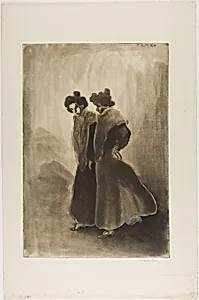
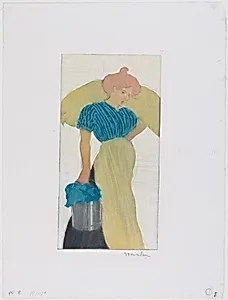
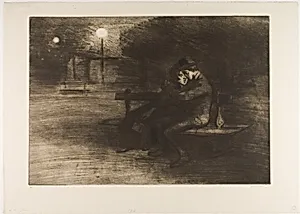
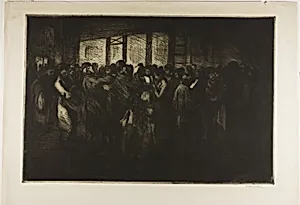
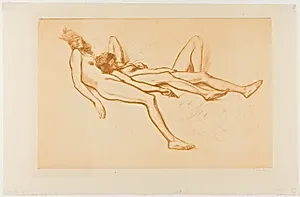
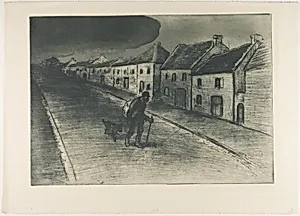
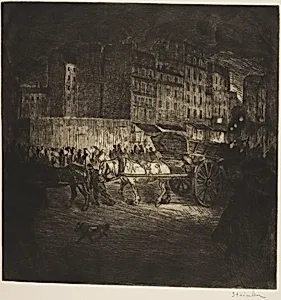
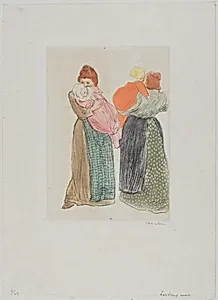
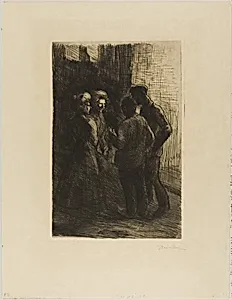
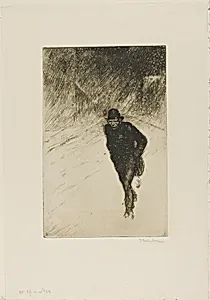
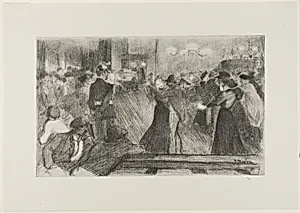
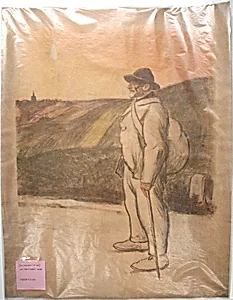
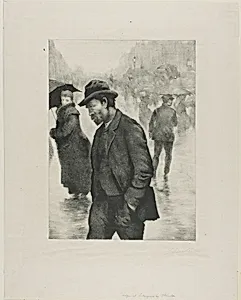
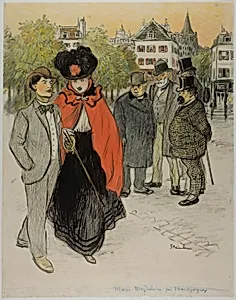
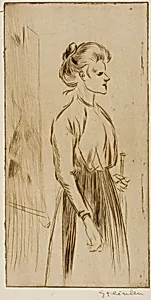
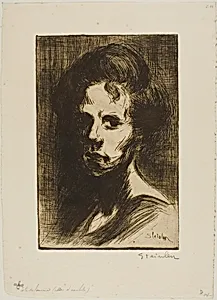
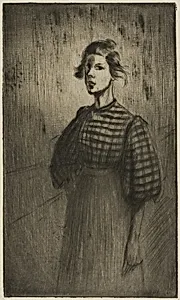
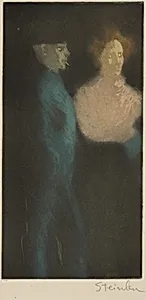
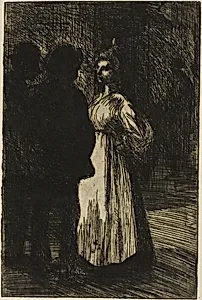
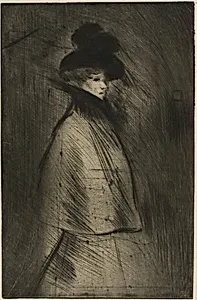
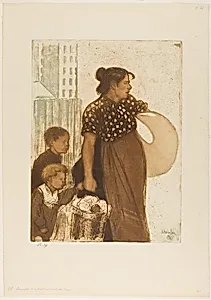
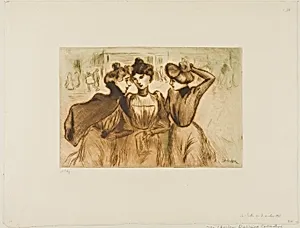
Steinlen quickly emerged as a master of Art Nouveau illustration, lithography, and printmaking, blending elegant lines with poignant social realism. His style captured the gritty poetry of Montmartre life—workers, the impoverished, and cabaret scenes—often infused with his profound affection for cats, which became recurring motifs symbolizing bohemian independence. Politically aligned with anarchist and socialist causes, he contributed hundreds of illustrations to journals like *Gil Blas Illustré*, *Le Rire*, *L'Assiette au Beurre*, and the short-lived *Les Humouristes*, which he co-founded in 1911; many appeared under pseudonyms to evade censorship.
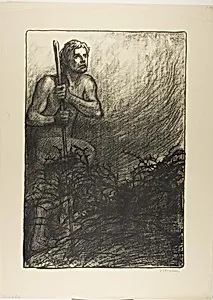
Among his iconic works are the 1896 poster *La Tournée du Chat Noir de Rodolphe Salis*, *Cocorico* (1896), and *Lait pur stérilisé de la Vingeanne* (1897), featuring his daughter Colette with a cat. World War I inspired stark prints like *Mobilization* (1915), *The Exodus* (1915), and *Glory (La gloire)* (1915), decrying war's toll on civilians. He also sculpted cat figures and published *Dessins Sans Paroles Des Chats*.
Steinlen's legacy endures through his democratic use of posters and ephemera to amplify working-class voices, influencing artists like Pablo Picasso. His works grace museums worldwide, from the Hermitage to the National Gallery of Art, with over 220 known pieces celebrating Montmartre's soul. He died in Paris on December 13, 1923, and was buried in Cimetière Saint-Vincent.