Ctrl K
1829–1887
Thomas Annan (1829–1887) was born in Dairsie, Fife, the son of a farmer. He moved to Cupar in 1845, where he undertook a seven-year apprenticeship as a lithographic engraver with the printing firm of Tullis, acquiring a technical foundation in image reproduction that would later inform his approach to photography. In 1855 he committed to a new vocation as a photographer, establishing a studio in Glasgow that rapidly built a reputation for portraiture, reproductive photography of artworks, and architectural documentation.
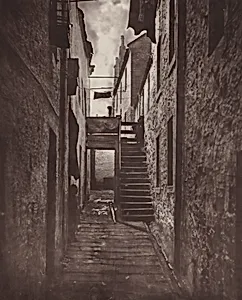
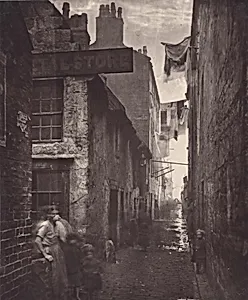
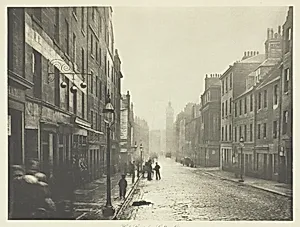
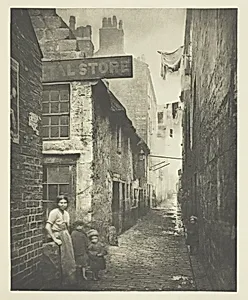
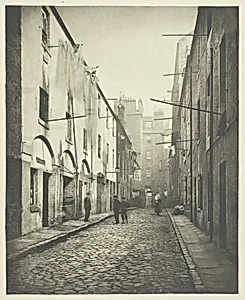
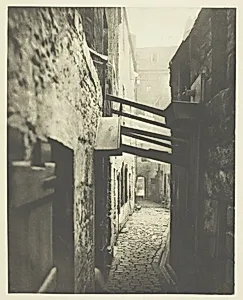
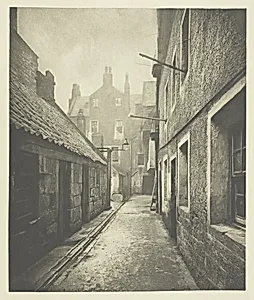
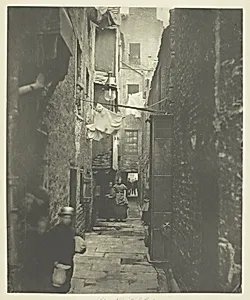
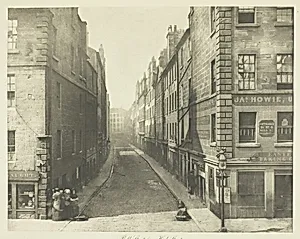
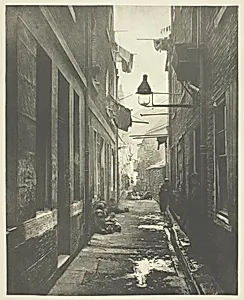
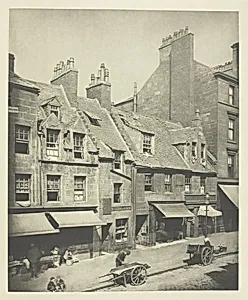
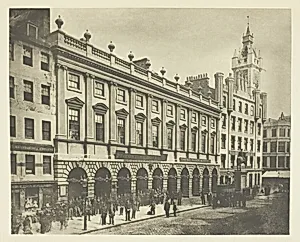
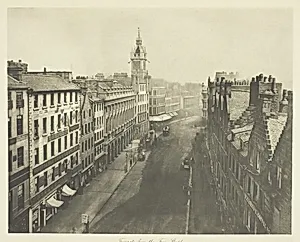
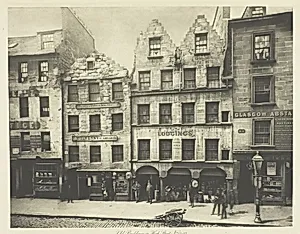
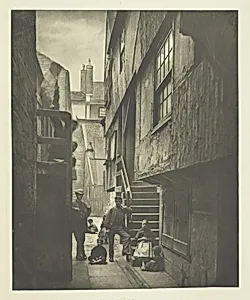
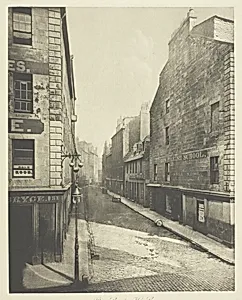
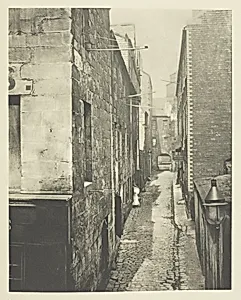
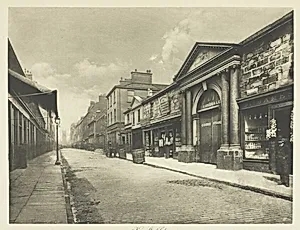
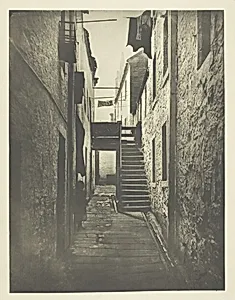
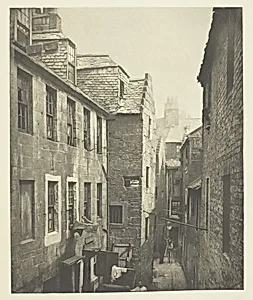
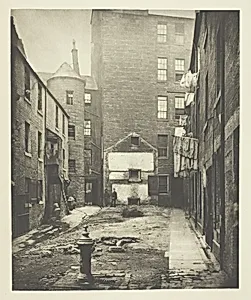
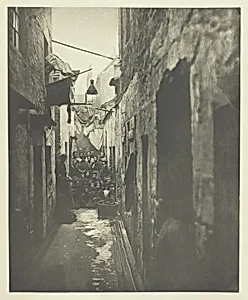
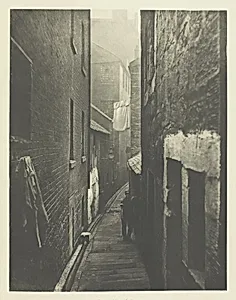
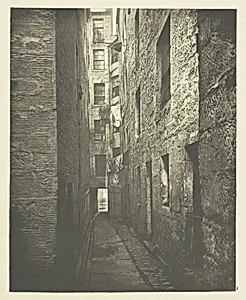
Annan's lasting historical significance rests on a commission he received in 1868 from the Glasgow City Improvement Trust, which had been empowered under the City Improvement Act of 1866 to demolish the overcrowded and disease-ridden slum districts of the city centre. Before the demolitions proceeded, the Trust engaged Annan to create a photographic record of the condemned streets, closes, and wynds. Working between 1868 and 1871, Annan produced a series of photographs of cramped, shadowy passages between tenements, their walls slick with damp, their foregrounds often populated by the inhabitants who still lived and worked in these spaces. The resulting images, first published in a limited edition in 1872 under the title The Old Closes and Streets of Glasgow, constitute one of the earliest sustained examples of documentary photography anywhere in the world.
What distinguishes Annan's Glasgow photographs from mere architectural survey is the quality of human witness they sustain. The figures who appear in these images — children standing in doorways, women at work, men looking toward the camera — register as individuals caught within a specific historical moment of poverty and displacement rather than as anonymous types. The formal qualities of the photographs, shaped partly by the long exposures required by the wet collodion process Annan employed, lend the scenes a stillness that heightens rather than softens their social gravity.
Annan continued his commercial practice until his death in 1887. A posthumous photogravure edition of the Glasgow photographs, prepared by his son James Craig Annan and published in 1900, brought the work to a wider audience and confirmed its enduring power. Thomas Annan's record of Glasgow's vanishing slums has since been recognised as a foundational document in the history of photography and an invaluable resource for social and urban historians.