Ctrl K
1602–1704
Thomas Cross was an English engraver active in the seventeenth century, primarily known for his work in the London print trade during a period of lively commercial and artistic demand for illustrated books, maps, portraits, and broadsides. Though his precise dates of birth and death are not firmly recorded, documentary evidence places his activity in the second half of the seventeenth century, a time when English printmaking was rapidly developing both technically and commercially.
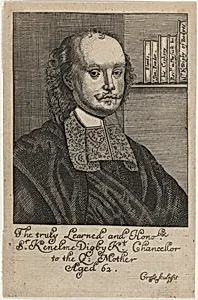
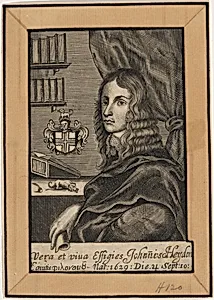
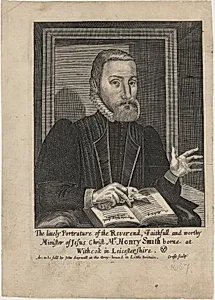
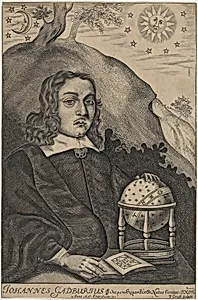
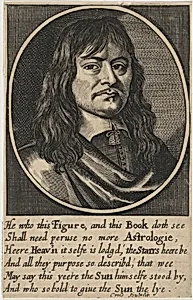
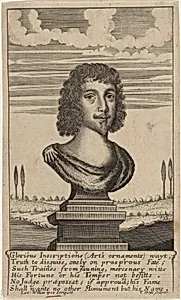
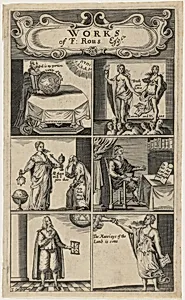
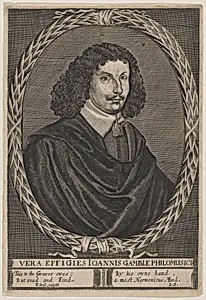
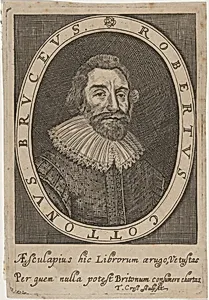
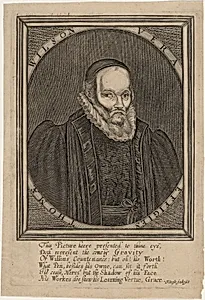
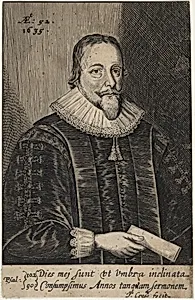
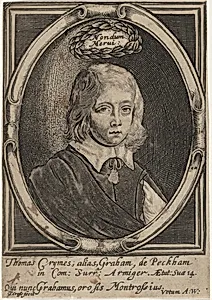
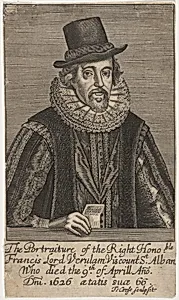
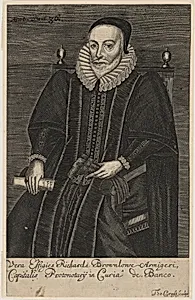
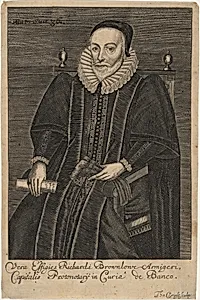
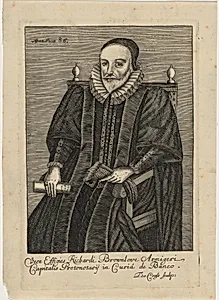
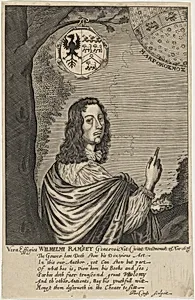
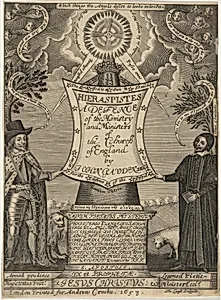
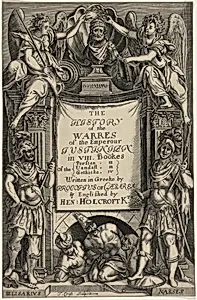
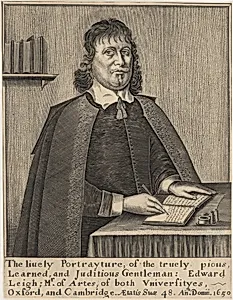
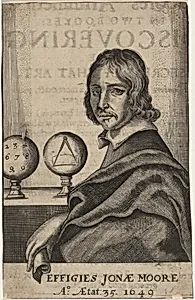
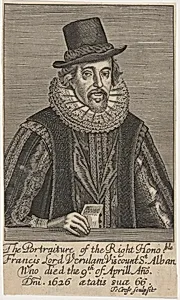
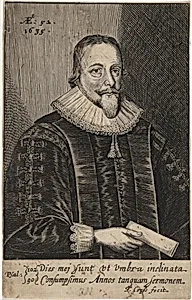
Cross worked principally as a reproductive engraver and is perhaps best known for his portraits of notable figures — musicians, writers, clergy, and public personalities — many of which served as frontispieces to books published in London. His style is characteristic of the English engraving tradition of the period: workmanlike rather than virtuosic, with an emphasis on clear likeness and legible detail suited to the reproductive demands of the trade. He also contributed to the illustration of music publications, and his name appears in connection with some of the earliest printed English music books, giving him a small but genuine place in the history of music publishing.
As a commercial printmaker, Cross operated within the bustling world of London's Restoration-era print and book trade, producing work for booksellers and publishers rather than aristocratic patrons. This context shaped the character of his output, which prioritized accessibility and functionality over the refined elegance associated with Continental engravers of the period.
Though Cross is not numbered among the major artistic figures of seventeenth-century British art, his engravings are valued by historians of the book, of music, and of English portraiture as authentic documents of the cultural life of their era. They preserve likenesses and visual information that might otherwise have been lost, making their scholarly and historical interest considerable.