
Ctrl K
1813–1896
Thomas Hewes Hinckley (1813–1896) was an American painter who became one of the leading specialists in animal painting in the United States during the mid-nineteenth century. Born in Milton, Massachusetts, he was largely self-taught in his early years, developing his skills through sustained observation of animals in the field and study of European masters whose work he encountered in reproductions and, eventually, through travel abroad. He made several trips to Europe, where he was particularly influenced by the work of Dutch and Flemish animal painters and by the French Barbizon tradition, which placed a new emphasis on the truthful observation of nature.
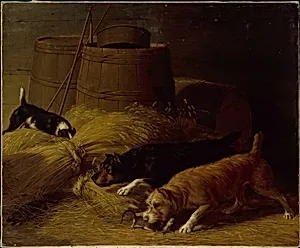
Hinckley settled in Milton for most of his career and became celebrated for paintings of dogs, cattle, horses, and deer depicted in naturalistic landscape settings. His work combined careful anatomical study with an evident affection for his subjects, producing images that were scientifically observant without sacrificing warmth or pictorial appeal. He exhibited regularly at the Boston Athenaeum and the National Academy of Design in New York, building a solid reputation among collectors who prized both his technical skill and his ability to capture the character and vitality of individual animals.
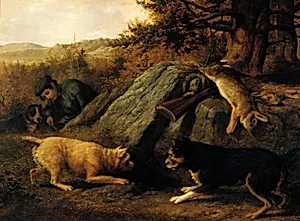
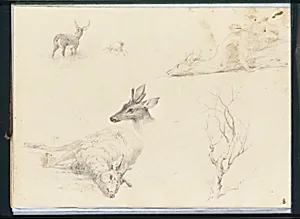
Among his most admired subjects were sporting dogs and hunting scenes, which spoke to the tastes of prosperous New England patrons with an interest in country pursuits. He also painted wild animals with a naturalist's eye, contributing to the broader American interest in the natural world that ran through the Hudson River School era and beyond.
Hinckley's legacy is that of a dedicated specialist who brought genuine expertise and honest observation to a genre that was highly popular in his day. His paintings are valued today as both accomplished works of art and as documents of the natural history of mid-nineteenth-century America.
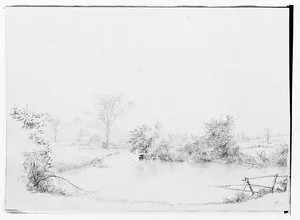
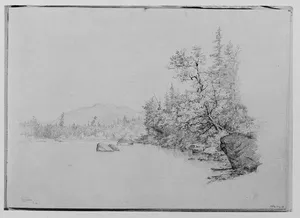
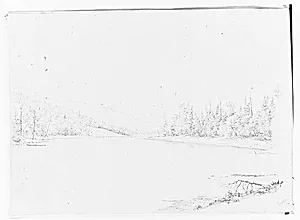
![Long [?] Lake, 1864 (from Sketchbook)](https://images.artheonmuseum.org/met/ad/thumb/long-lake-1864-from-sketchbook-15964.webp)
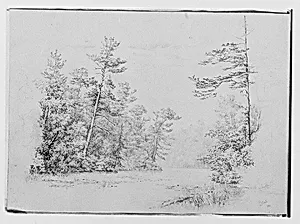
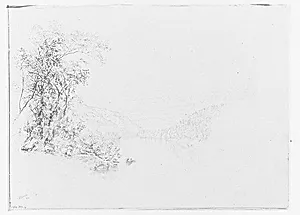
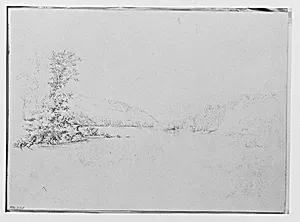
![River View [Delaware?] Bordered by Trees (from Sketchbook)](https://images.artheonmuseum.org/met/ad/thumb/river-view-delaware-bordered-by-trees-from-sketchbook-15950.webp)
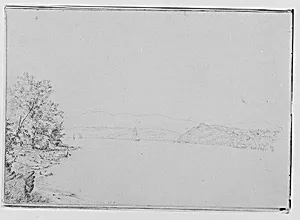
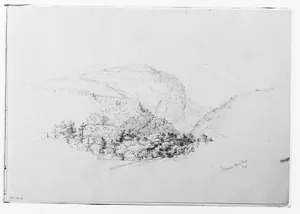
![Mountain View [Catskills?] (from Sketchbook)](https://images.artheonmuseum.org/met/ad/thumb/mountain-view-catskills-from-sketchbook-15953.webp)
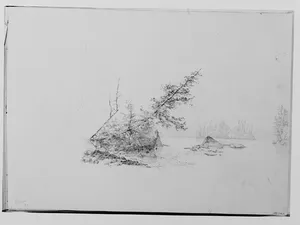
![Lake View with Dinghy [Long Lake?] (from Sketchbook)](https://images.artheonmuseum.org/met/ad/thumb/lake-view-with-dinghy-long-lake-from-sketchbook-15966.webp)
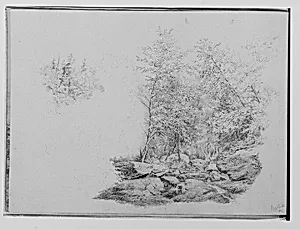
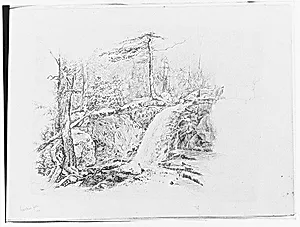
![River [Delaware?] Bank Scene with Cliff (from Sketchbook)](https://images.artheonmuseum.org/met/ad/thumb/river-delaware-bank-scene-with-cliff-from-sketchbook-15938.webp)