Ctrl K
1735–1785
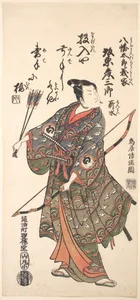
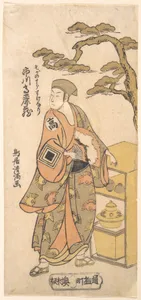
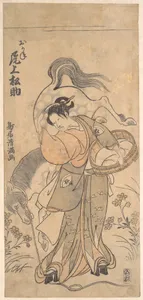
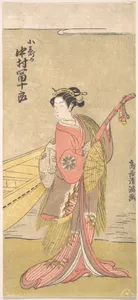
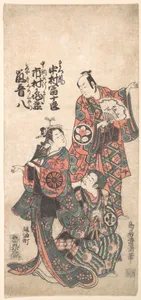
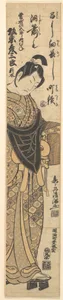
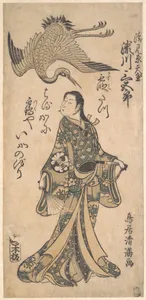
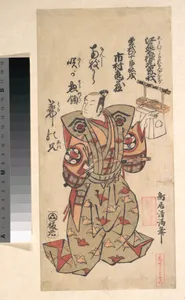
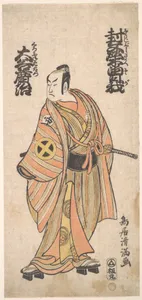
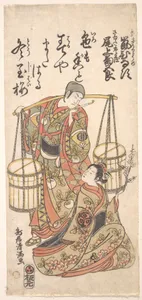
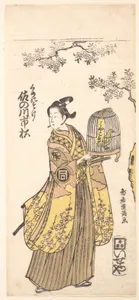
Torii Kiyomitsu (1735–1785) was a leading master of the Japanese ukiyo-e woodblock print tradition and a key figure in the third generation of the celebrated Torii school. Born into an artistic dynasty founded by his ancestor Torii Kiyonobu, Kiyomitsu trained within the family workshop and inherited its deep connections to the Kabuki theater world, for which the Torii school had long designed promotional billboards, programs, and actor portraits.
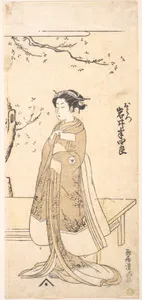
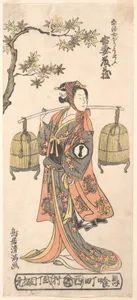
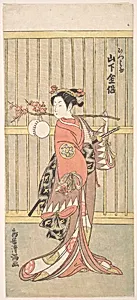
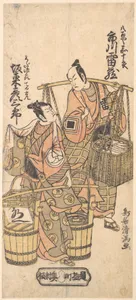
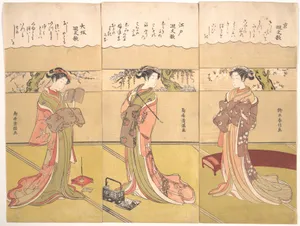
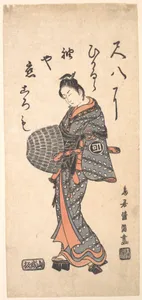
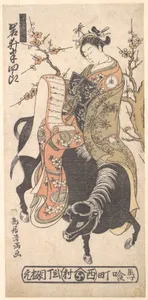
Kiyomitsu is credited with popularizing the benizuri-e technique — prints using pink and green pigments — before fully embracing the newly developed full-color nishiki-e, or brocade print, in the 1760s. His compositions are distinguished by their graceful, willowy figures rendered with supple, elegant lines and set against delicately tinted backgrounds. He excelled at depicting bijin — beautiful women, often courtesans or geisha — as well as Kabuki actors, bringing a refined sensuousness to both subjects that appealed enormously to the sophisticated urban audiences of Edo.
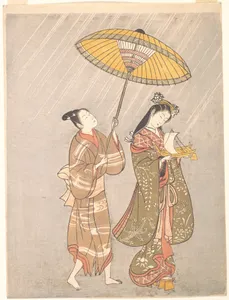
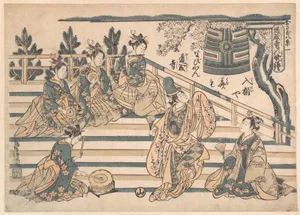
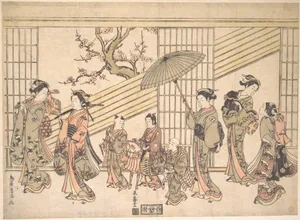
Among his most admired works are series depicting women engaged in seasonal activities and domestic pleasures, compositions that capture the fleeting beauty central to ukiyo-e's aesthetic philosophy. His skill in orchestrating color and line placed him at the forefront of the print medium during a period of rapid technical innovation, and he trained numerous students who continued the Torii legacy.
Kiyomitsu's influence on the subsequent generation of ukiyo-e masters was considerable: his emphasis on graceful femininity and refined color harmony helped shape the work of Kitagawa Utamaro and others who would push the bijin-ga genre to new heights. His prints remain prized by collectors and scholars alike as exemplary documents of Edo-period visual culture at its most refined and inventive.