Ctrl K
1844–1900
Wilhelm Leibl (1844–1900) was the foremost German Realist painter of the nineteenth century, a figure who dedicated his career to an uncompromising fidelity to observed reality at a time when idealized academic painting still dominated official taste. Born in Cologne, he studied at the Munich Academy under Karl von Piloty, but the decisive influence on his development came from his encounter with Gustave Courbet during the French master's visit to Munich in 1869. Leibl was so captivated by Courbet's robust naturalism that he traveled to Paris to study more closely with him.
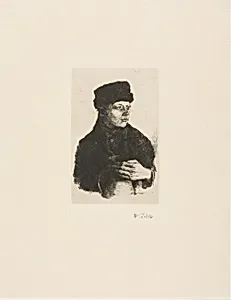
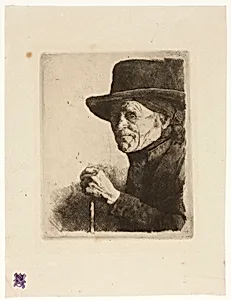
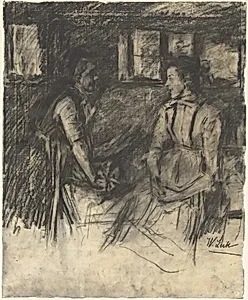
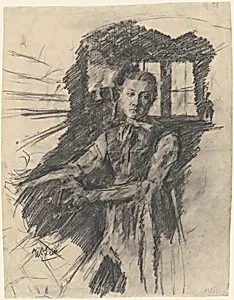
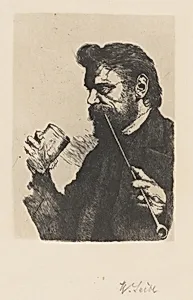
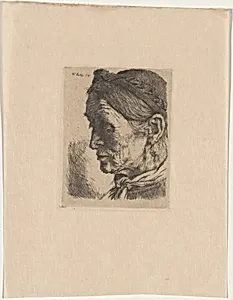
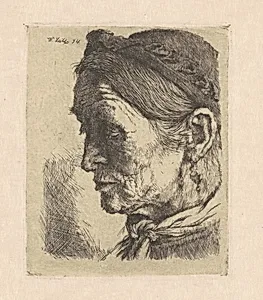
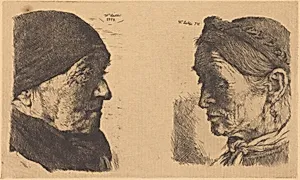
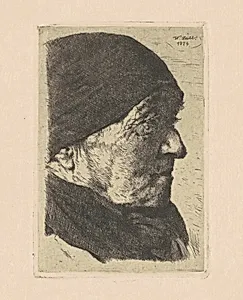
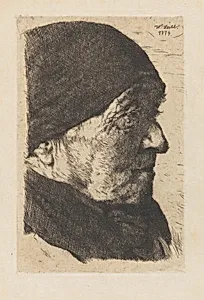
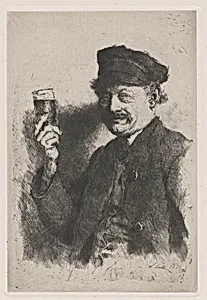
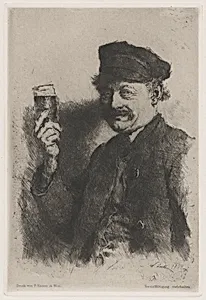
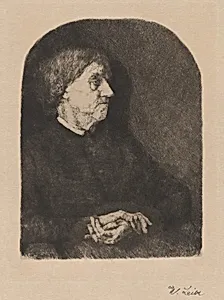
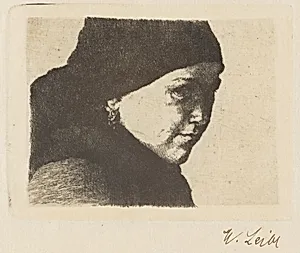
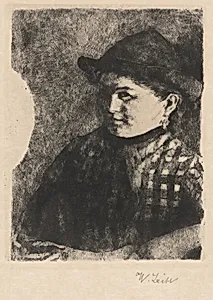
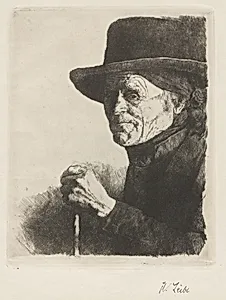
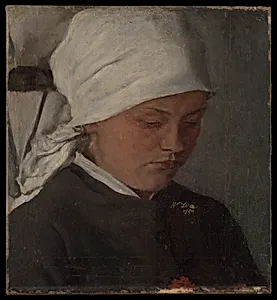
Returning to Germany, Leibl developed a technique of meticulous craftsmanship rooted in close study of the Old Masters, particularly the precise brushwork of Hans Holbein the Younger. He retreated from Munich's urban art world to live among rural Bavarian communities, where he found his true subject matter: peasants, craftsmen, and village life rendered with extraordinary care and psychological directness. His paintings of ordinary people — farmers at a table, women in church, hunters at rest — strip away any sentimentality to present their subjects with dignity and unflinching clarity.
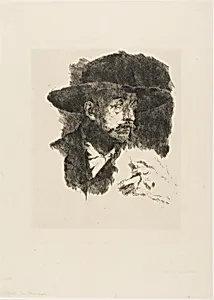
His masterpiece, Three Women in Church (1881, Hamburger Kunsthalle), took him nearly three years to complete, worked in the dim light of an actual Bavarian church. The painting's jewel-like surface and extraordinary characterization stand among the supreme achievements of nineteenth-century German painting. Other major works include The Poachers and several penetrating portrait studies of fellow artists and local personalities.
Leibl's insistence on patient observation over academic formula earned him the devotion of a circle of like-minded painters known as the Leibl-Kreis. His influence on subsequent generations of German artists was profound, establishing a tradition of rigorous naturalism that would resonate into the twentieth century. He remains the defining figure of German Realism.