Ctrl K
1615–1691
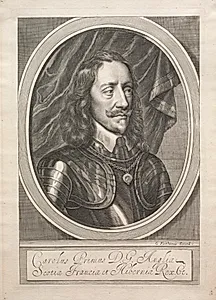
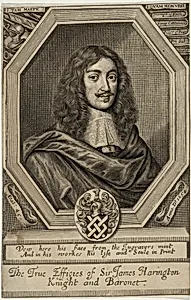
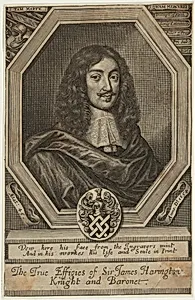
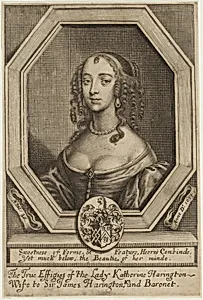
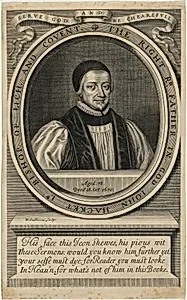
William Faithorne, often called "the Elder" (c. 1616–1691), was a pioneering English engraver, printmaker, and portrait painter whose masterful line engravings elevated the craft in seventeenth-century Britain. Born in London to a bit-maker, he was apprenticed in 1635 to the printseller William Peake for a decade; following Peake's early death in 1639, he continued under Robert Peake and received engraving training from John Payne. A Royalist sympathizer, Faithorne served in the king's army, was captured during the Civil War—possibly at Basing House—and imprisoned at Aldersgate, where he produced early engravings like portraits of George Villiers, Duke of Buckingham. Exiled to France around 1646–1647, he studied under the renowned Robert Nanteuil, honing techniques that would define his career.
Returning to London by 1650–1652, Faithorne established a thriving print shop near Temple Bar, selling his works, imported prints, and artists' materials. He was made free of the Goldsmiths' Company and appointed "engraver in copper" to Charles II upon the 1660 Restoration. In 1662, he published the first English treatise on the subject, *The Art of Graveing and Etching*, a translation of Abraham Bosse's work illustrated with his own plates—a landmark that disseminated etching and engraving methods inspired by artists like Jacques Callot. Faithorne specialized in portraits, often from his own drawings, engraving frontispieces for books and private plates; notable commissions included a monumental 1658 map of London by Richard Newcourt (on four sheets), maps of Virginia and Maryland, and after Anthony van Dyck: *James, Duke of Lenox* (1640–1641) and *Maria Ruten, Wife of van Dyck* (1658).
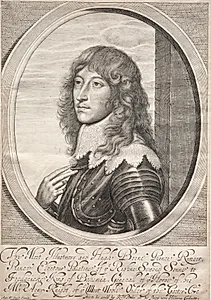
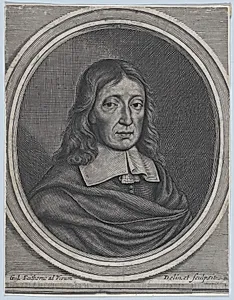
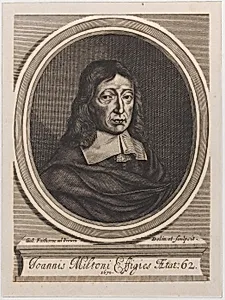
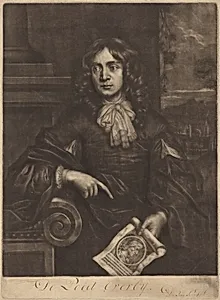
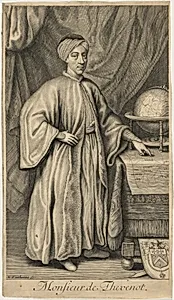
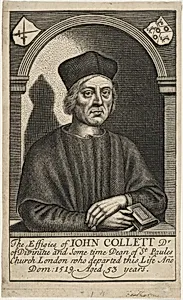
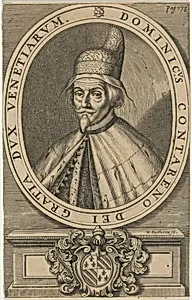
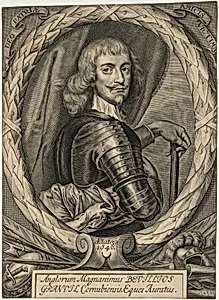
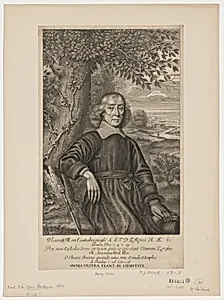
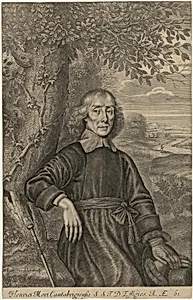
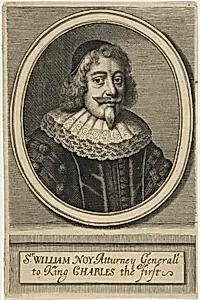
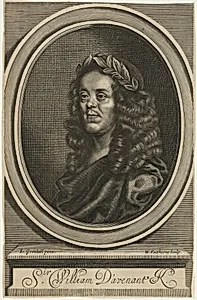
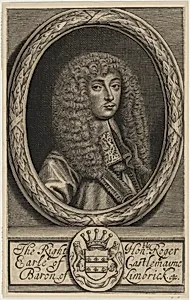
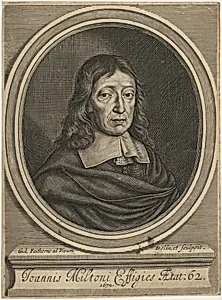
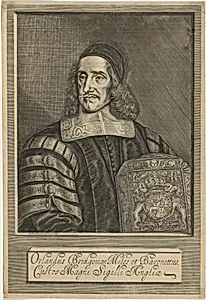
Faithorne's style blended bold freedom and strength with exquisite softness and delicacy in line engraving, while his later crayon portraits boasted clear, brilliant coloring. Iconic works feature luminaries like Oliver Cromwell (*Olivarius Britannicus Heros*, 1656), John Milton (1678 and later editions), Thomas Hobbes, Prince Rupert, Cardinal Richelieu, and saints such as St. Luke (1653) and St. Matthew. In his later years, he shifted toward pastel portraiture from his Blackfriars home, though family woes—particularly his son William the Younger's dissipation and bankruptcy of another son, Henry—hastened his decline. Faithorne's legacy endures as England's preeminent seventeenth-century engraver, associated with over 700 portraits at the National Portrait Gallery alone, his innovations shaping printmaking for generations.