William Gropper (1897–1977) was an American artist and cartoonist whose sharp satirical vision made him one of the most incisive social critics working in visual art during the first half of the twentieth century. Born on the Lower East Side of Manhattan to immigrant Jewish parents, Gropper grew up in poverty and received his art training at the Ferrer School under Robert Henri and George Bellows — two of the leading figures of the Ashcan School whose commitment to depicting the lives of ordinary working people profoundly shaped Gropper's artistic outlook. He also studied at the National Academy of Design.
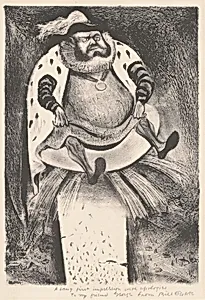
Gropper made his reputation primarily as a political cartoonist, contributing devastating caricatures to radical publications including the Liberator, the New Masses, and the Morning Freiheit. His cartoons lampooned capitalists, demagogues, and politicians with an economy of line and a ferocity of attack that drew both wide admiration and official hostility — he was called before the Senate Permanent Subcommittee on Investigations in 1953 during the McCarthy era, an experience that formed part of the broader assault on left-wing artists and intellectuals.
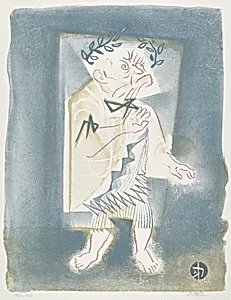
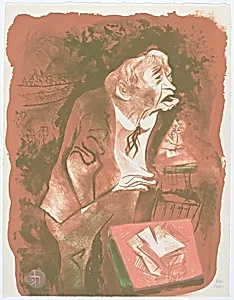
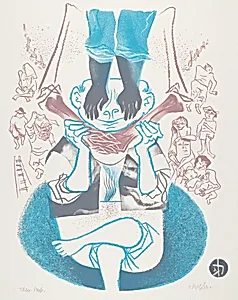
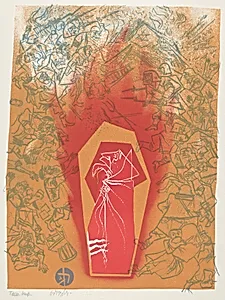
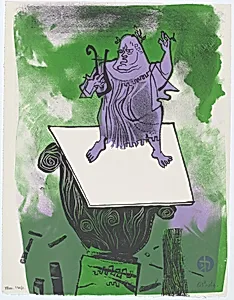
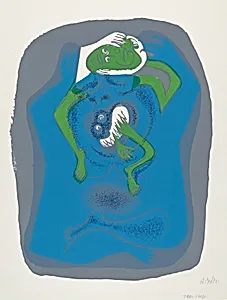
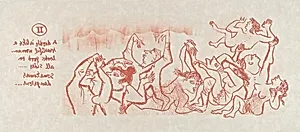
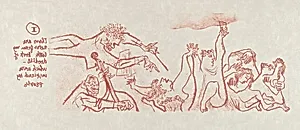
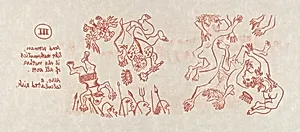
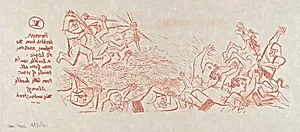
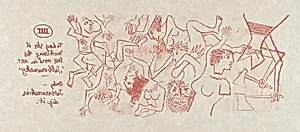
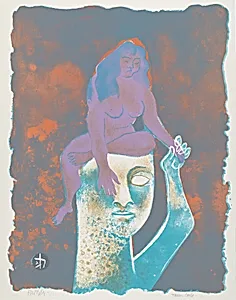
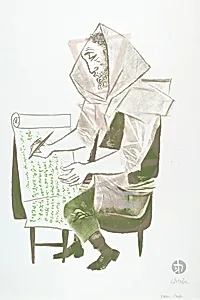
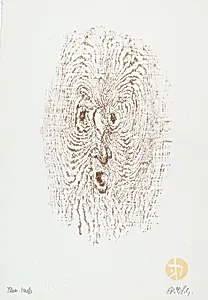
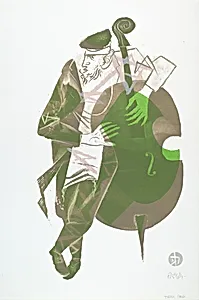
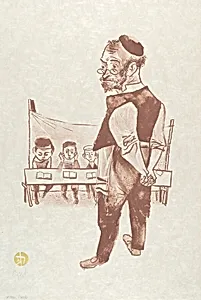
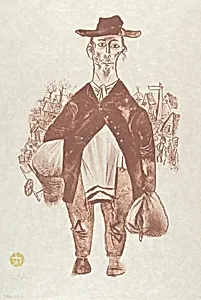
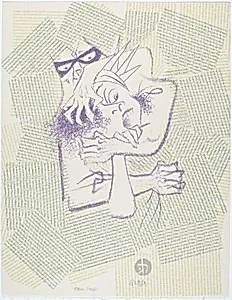
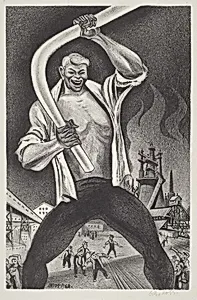
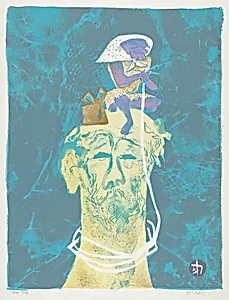
Alongside his cartoons, Gropper developed a distinguished career as a painter and printmaker, producing oil paintings and lithographs that extended his social concerns into more sustained artistic statement. His paintings of the dispossessed, workers, and victims of injustice combine expressionist distortion with deep moral seriousness, and his illustrations for books on Jewish themes reflected his engagement with his cultural heritage. His lithograph series on the Senate became iconic images of American political satire.
Gropper received increasing recognition in his later years, including a retrospective at the ACA Galleries in New York. He is remembered as a vital figure in the tradition of American social realist art — an artist who never separated his craft from his conscience.