Ctrl K
1865–1941
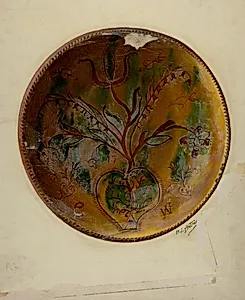
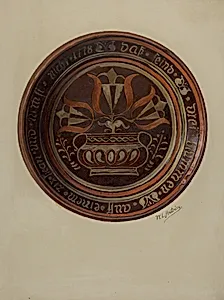
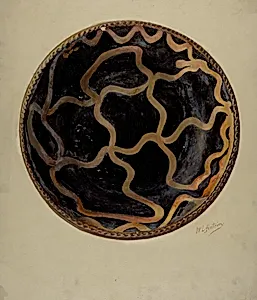
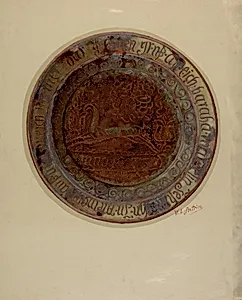
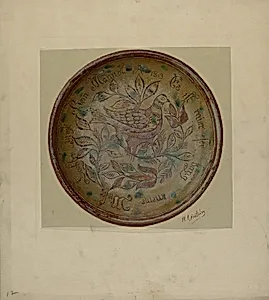
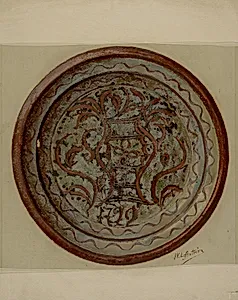
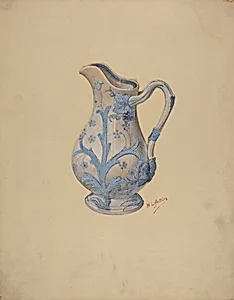
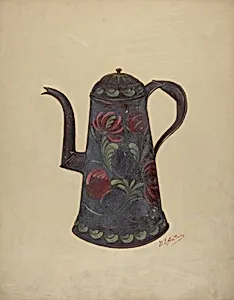
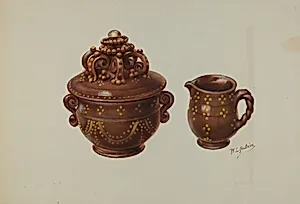
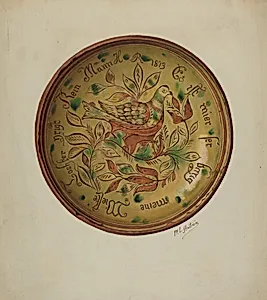
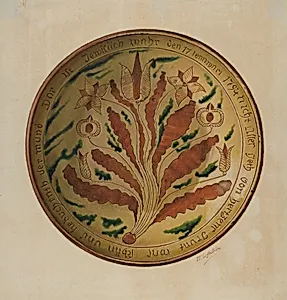
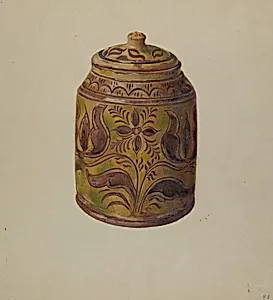
William L. Antrim is recorded in museum collections with a body of work that speaks to a sustained artistic practice, even as the biographical details that might illuminate his training, nationality, and career arc remain difficult to establish from existing documentation. His name appears consistently enough across holdings to confirm a genuine and productive engagement with his chosen medium, whatever the specific circumstances of that engagement may have been.
Artists working under names like Antrim's — common enough to resist easy identification, unusual enough to resist conflation with well-known figures — frequently populated the mid-tiers of the art world, producing work valued by contemporaries but not always celebrated in the critical literature that later historians rely upon. Training through apprenticeship, regional schools, or self-directed study was widespread, and many such artists built substantial portfolios without the benefit of academy credentials or prominent mentors.
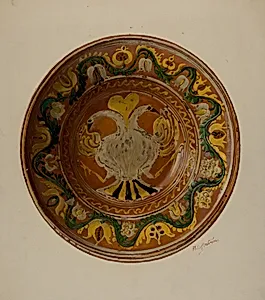
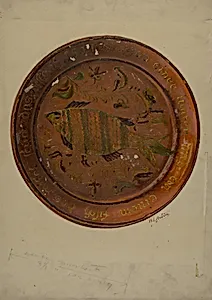
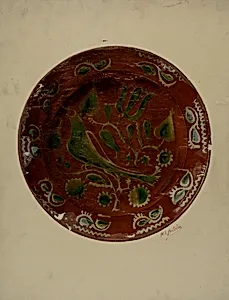
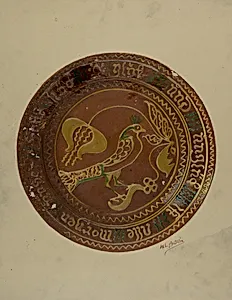
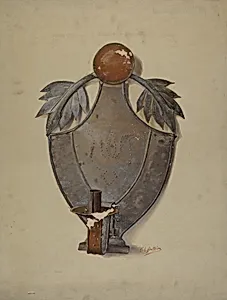
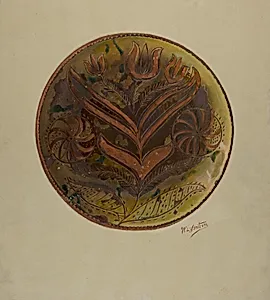
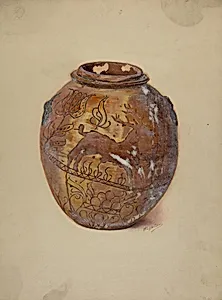
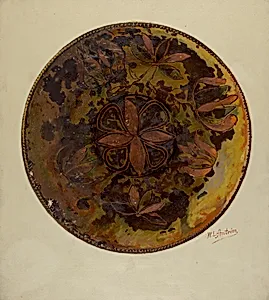
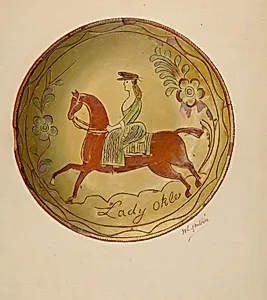
The works attributed to Antrim reflect the visual conventions and technical concerns of their era, offering a window into the broader currents of art production that surrounded the more familiar names of any given period. Such artists were indispensable to the visual culture of their time, meeting demand for original imagery across private, commercial, and public contexts.
Future research into exhibition catalogues, estate records, or period publications may help bring William L. Antrim's life and work into clearer focus. Until then, the works themselves stand as the primary evidence of a career dedicated to artistic production, worthy of continued attention and scholarly inquiry.