
1/4 Qedet weight
Unknown Artist
664–30 B.C.
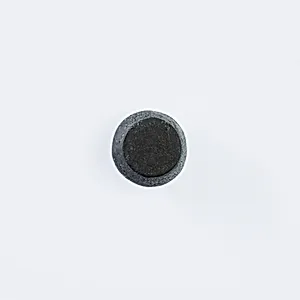
Medium
Bronze
Dimensions
H. 0.7 × Dia. 1.1 cm (1/4 × 7/16 in.)
Classification
Weight, qedet
Period
Late Period–Ptolemaic Period
Department
Egyptian Art
Museum
Metropolitan Museum of Art, New York, NY
Credit
Gift of Helen Miller Gould, 1910
Accession Number
10.130.1592
Rights
Public Domain
Art Historical Context
Nestled in the Egyptian Art collection at the Metropolitan Museum of Art, petite bronze weight, titled *1/4 Qedet*, hails from Egypt's Late Period to Ptolemaic era (664–30 B.C.). Measuring just 0.7 cm high and 1.1 cm in diameter, its unassuming size belies its practical precision—crafted to represent one-quarter of the qedet, a standard for weighing precious metals like gold and silver. In ancient Egypt, accurate weights were vital for trade and commerce, ensuring fair exchanges in bustling markets from Thebes to Alexandria. Bronze, valued for its durability and resistance to corrosion, was a favored medium for such tools, allowing them to withstand daily use over centuries. This artifact reflects the sophisticated metrology of a civilization where commerce intertwined with temple economies and royal decrees. A gift to the Met in 1910 from Helen Miller Gould, this weight offers a tangible glimpse into everyday economic life during a time of cultural fusion under Persian and Greek influences. It reminds us how small objects underpinned the grandeur of pharaonic wealth.