
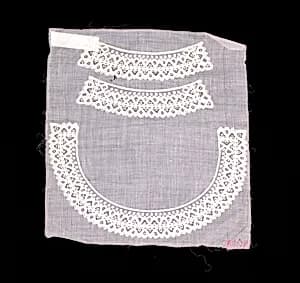
Accessory set
Unknown Artist
1850–60
Medium
Linen
Classification
Accessory Set
Culture
French
Department
Costume Institute
Museum
Metropolitan Museum of Art, New York, NY
Credit
Brooklyn Museum Costume Collection at The Metropolitan Museum of Art, Gift of the Brooklyn Museum, 2009; Gift of Robert C. Foster, 1970
Accession Number
2009.300.5750
Rights
Public Domain
Art Historical Context
Step into the refined world of mid-19th-century French with this delicate *Accessory set*, crafted from fine linen around 1850–60. Housed in The Metropolitan Museum of Art's Costume Institute, this ensemble—likely including collars, cuffs, or handkerchiefs—exemplifies the era's emphasis on understated luxury and meticulous personal adornment. Linen, a lightweight and breathable natural fiber prized its durability and crisp texture, was a staple for intimate wearables, allowing for intricate hand-stitching and subtle embellishments that elevated everyday attire. During the Second Empire under Napoleon III, French culture celebrated opulent style influenced by Empress Eugénie's tastes, where accessories played a starring role in completing lavish crinoline gowns. These pieces reflect bourgeois aspirations, blending practicality with elegance in a time when women's fashion underscored modesty and refinement. Though the artist remains unknown, the set's survival highlights the craftsmanship of anonymous ateliers that supplied Paris's fashionable elite. Today, gifted from the Brooklyn Museum's collection, this accessory set offers a tactile glimpse into Victorian-era life, reminding us how seemingly small items wove personal identity into the fabric of history. (198 words)