
近衛信尹書 『和漢朗詠集』 色紙帖|Album of Japanese and Chinese Poems to Sing
early 17th century
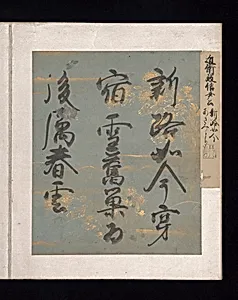
Medium
Album of thirty-six leaves; each on gold, silver, or colored decorated paper
Dimensions
Each: 8 3/4 × 10 1/2 in. (22.2 × 26.7 cm) Open: 21 in. (53.3 cm)
Classification
Calligraphy
Culture & Period
Japan · Momoyama period (1573–1615)
Department
Asian Art
Museum
Metropolitan Museum of Art, New York, NY
Credit
Mary and Cheney Cowles Collection, Gift of Mary and Cheney Cowles, 2018
Accession Number
2018.853.38
Rights
Public Domain
Art Historical Context
Step into the refined world of Momoyama-period Japan with this exquisite *Album of Japanese and Chinese Poems to Sing* (近衛信尹書 『和漢朗詠集』 色紙帖), created by the master calligrapher Kon Nobutada in the 17th century.utada, a prominent court noble and leading figure in Japanese calligraphy, crafted this album of thirty-six leaves, each inscribed on luxurious gold, silver, or colored decorated paper. Measuring about 8¾ × 10½ inches per leaf, the album unfolds to reveal poetic treasures from the classic anthology *Wakan Rōeishū*, blending Japanese *waka* and Chinese verses meant to be chanted or sung. During the vibrant Momoyama period (1573–1615), known for its opulent aesthetics and cultural patronage by warlords and aristocrats, such albums epitomized elite artistry. The use of shimmering, patterned papers—often *surimono* or gilded sheets—elevated calligraphy to a multisensory experience, harmonizing ink's fluid grace with metallic brilliance. Nobutada's script captures the rhythmic flow of poetry, reflecting Zen-influenced elegance and Sino-Japanese literary traditions. This treasured work, now in the Metropolitan Museum of Art's Mary and Cheney Cowles Collection, highlights calligraphy's central role in Japanese culture as a bridge between literature, performance, and visual beauty. Visitors will appreciate how it preserves the court's poetic voice amid Japan's transition to the Edo era.
About the Artist
Konoe Nobutada · 1565–1614
Japanese, 1565–1614