
Bead
Unknown Artist
11th–12th century
Medium
Gold
Classification
Jewelry
Department
Islamic Art
Museum
Metropolitan Museum of Art, New York, NY
Credit
The Alice and Nasli Heeramaneck Collection, Gift of Alice Heeramaneck, 1980
Accession Number
1980.541.18
Rights
Public Domain
Art Historical Context
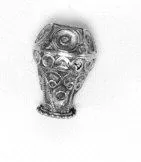
This delicate gold bead, crafted by an unknown artist during the11th–12th, offers a glimpse into the refined world of medieval Islamic jewelry. Dating from a golden age of Islamic art under dynasties like the Fatimids or Seljuks, such beads were essential components of necklaces, bracelets, and other personal adornments. Worn by men and women alike, they symbolized wealth, status, and artistry in bustling trade hubs from Persia to North Africa. Gold's enduring luster made it a prized medium in Islamic craftsmanship, often shaped through sophisticated techniques like hammering, twisting, or granulation to create intricate, lightweight forms perfect for stringing. Though small, this bead exemplifies the period's mastery of metalwork, where even humble jewelry pieces reflected cultural values of beauty, piety, and portability—ideal for nomadic lifestyles or pilgrimage. Housed in the Metropolitan Museum of Art's Islamic Art department as part of The Alice and Nasli Heeramaneck Collection (Gift of Alice Heeramaneck, 1980), it invites us to appreciate the anonymous genius behind everyday elegance from over a millennium ago.