
Bowl
Unknown Artist
late 18th–19th century
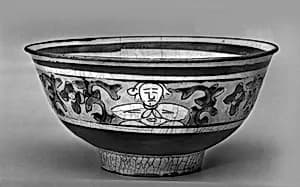
Medium
Porcelain painted in overglaze polychrome enamels
Dimensions
H. 3 1/8 in. (7.9 cm); Diam. 6 1/2 in. (16.5 cm)
Classification
Ceramics
Culture & Period
China · Qing dynasty (1644–1911)
Department
Asian Art
Museum
Metropolitan Museum of Art, New York, NY
Credit
Avery Fund, 1909
Accession Number
09.70.6
Rights
Public Domain
Tags
Art Historical Context
This elegant porcelain bowl, crafted in China during the late 18th to 19th century under the Qing dynasty (164–1911), exemplifies the era's mastery of ceramic artistry. Measuring just 3⅛ inches high and 6½ inches in diameter, it was likely used for food or tea service, reflecting the refined domestic culture of imperial China. Acquired by the Metropolitan Museum of Art through the Avery Fund in 9, it now graces the Asian Art department as a testament to Qing porcelain's global renown. The bowl's medium—porcelain painted in overglaze polychrome enamels—highlights innovative techniques developed at imperial kilns like those in Jingdezhen. After firing the translucent white porcelain body, artisans applied vibrant enamels in multiple layers, then refired at lower temperatures to achieve luminous colors. This "famille rose" style, dominant in the late Qing period, allowed for intricate details in motifs like flowers and human figures adorning the exterior, symbolizing prosperity, harmony, and everyday life. Qing ceramics like this bowl were prized for export to Europe and beyond, blending functionality with opulent decoration. Its delicate scale and vivid imagery invite visitors to appreciate the technical precision and cultural elegance that made Chinese porcelain a cornerstone of world art.