
Bowl
Unknown Artist
18th–19th century
Medium
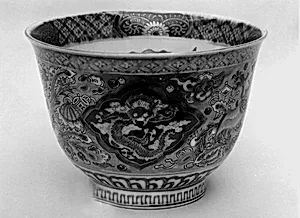
Porcelain decorated in red-orange, blue, green and gilt (Arita ware, Imari style))
Dimensions
H. 5 1/8 in. (13 cm); Diam. 7 1/4 in. (18.4 cm)
Classification
Ceramics
Culture & Period
Japan · Edo period (1615–1868)
Department
Asian Art
Museum
Metropolitan Museum of Art, New York, NY
Credit
Gift of Mrs. Edward H. Wells, 1953
Accession Number
53.193.6
Rights
Public Domain
Tags
Art Historical Context
This exquisite porcelain bowl, crafted in Japan's Arita ware tradition during the 18th19th century Edo period (1615–1868), showcases the Imari style's bold opulence. Measuring 5 1/8 inches high and 7 1/4 inches in diameter it gleams with vibrant red-orange, blue, greenels, and intricate gilding—hallmarks of overglaze decoration applied after firing. Dragons, a recurring motif suggested by its tags, likely coil dynamically across its surface, embodying power, protection, and imperial might in Japanese lore. Arita, in Saga Prefecture, revolutionized Japanese ceramics in the 17th century by mastering hard-paste porcelain with kaolin-rich clay, rivaling Chinese imports. The Imari style, named for the export port, blended underglaze blue with lavish overglaze colors, making these pieces prized luxuries for tea ceremonies, dining, and overseas trade to Europe. This bowl reflects Edo Japan's cultural flourishing, where artisans perfected techniques like enamel firing at low temperatures and meticulous gilding for enduring luster. A generous gift to the Metropolitan Museum of Art from Mrs. Edward H. Wells in 1953, it invites us to appreciate the fusion of technical innovation and symbolic artistry that defined Japan's porcelain golden age.