
Capital
Unknown Artist
6th–7th century
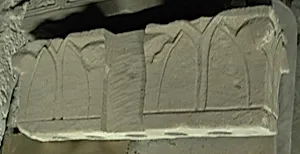
Medium
Limestone; carved
Dimensions
H. 7 1/16 in. (17.9 cm) W. 19 11/16 in. (50 cm) D. 5 1/2 in. (14 cm)
Classification
Sculpture
Department
Islamic Art
Museum
Metropolitan Museum of Art, New York, NY
Credit
Rogers Fund, 1910
Accession Number
10.175.87
Rights
Public Domain
Art Historical Context
This finely carved limestone capital, dating to the 6th–7th century, hails from the early days of Islamic art and architecture. Measuring 19⅝ inches wide by 7¹/₁₆ inches high, it would have crowned a column, bearing the weight of arches or beams in a mosque, palace, or public. Acquired by the Metropolitan Museum of Art through Rogers Fund in 191, it exemplifies the department's treasures from this formative period. Crafted from durable limestone—a favored medium for its workability and longevity— the capital reveals masterful hand-carving techniques. Artisans shaped its surfaces with precision, likely employing chisels and abrasives to create decorative forms that balanced structural function with aesthetic appeal. Though the artist is unknown, such pieces mark a pivotal transition in the Near East, where late antique influences from Byzantine and Sassanian traditions began merging with nascent Islamic styles. For museum visitors, this modest yet elegant sculpture (just 5½ inches deep) evokes the ingenuity of early Islamic builders. It stands as a quiet witness to cultural flourishing, reminding us how everyday architectural elements carried profound artistic and spiritual weight in their time.