
Ciconia (Paschalis)
Medium
engraving
Dimensions
plate: 13.5 × 10.1 cm (5 5/16 × 4 in.)
Classification
Department
CG-E
Museum
National Gallery of Art, Washington, D.C.
Credit
Rosenwald Collection
Accession Number
1950.14.314
Rights
Public Domain
Art Historical Context
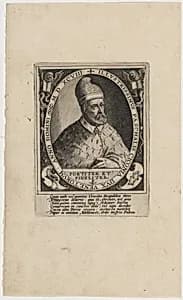
**Ciconia (Paschalis)**, a delicate engraving by Dutch artist Crispijn de Passe I from 1598, captures elegance of a stork—*ciconia* in—possibly evoking Easter through its subtitle *Paschalis*. Measuring just 13.5 × 10.1 cm, this intimate print exemplifies the meticulous craftsmanship of Northern European printmaking during the late Renaissance. De Passe, a prolific engraver from a renowned family of artists in Antwerp, was celebrated for his intricate line work and ability to texture and life in small formats, often producing series for collectors and books. Created at the height of Mannerist influence in the Netherlands, the artwork reflects the era's fascination with natural history, symbolism, and moral emblems. Storks held cultural significance as harbingers of spring and family devotion in European lore, and de Passe's precise burin technique—incising fine lines into a metal plate for inking—allowed for exceptional detail in feathers and form. This method made engravings affordable reproductions of high art, spreading artistic ideas across Europe. Housed in the National Gallery of Art's Rosenwald Collection (Department CG-E), *Ciconia (Paschalis)* invites visitors to appreciate how 16th-century prints bridged science, symbolism, and artistry, offering a window into the intellectual curiosity of the time.
About the Artist
Crispijn de Passe I
Crispijn de Passe I, born around 1564 in Arnemuiden, Zeeland, emerged as one of the most influential Dutch engravers and print publishers of his era. He relocated to Antwerp as a youth, where he honed his craft amid the city's vibrant printmaking scene, becoming an independent master in the Guild of Saint Luke by 1584–1585. There, he worked as a reproductive engraver, primarily after designs by pr...