
Cloister Arcades with Double Capitals
Unknown Artist
late 13th–early 14th century
Medium
Stone
Dimensions
53 3/4 × 5 1/4 in. (136.5 × 13.3 cm)
Classification
Sculpture-Architectural
Culture
French
Department
The Cloisters
Museum
Metropolitan Museum of Art, New York, NY
Credit
The Cloisters Collection, 1925
Accession Number
25.120.815
Rights
Public Domain
Art Historical Context
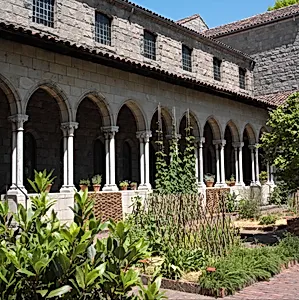
Step into the serene world of medieval monastic life with *Cloister Arcades Double Capitals*, a captivating stone fragment from late 13th- to early 14th-century. Crafted during the height of Gothic architecture, this architectural sculpture once formed part of a cloister—a covered walkway surrounding a courtyard in a monastery or abbey. These spaces were vital for monks, offering sheltered paths for prayer, study, and quiet reflection amid nature. Measuring 53 3/4 × 5 1/4 inches, its slender profile evokes the rhythmic elegance of Gothic arcades, where pointed arches and slender columns reached toward the heavens. The double capitals—ornate tops of columns carved in intricate stone—highlight masterful French sculptural techniques of the era. Artisans skillfully chiseled detailed foliage, figures, or abstract motifs (typical of Gothic capitals) to symbolize spiritual growth and divine order, blending functionality with profound symbolism. As an architectural relic in The Cloisters Collection at the Metropolitan Museum of Art since 1925, it transports visitors to the Île-de-France region's thriving abbeys, like those at Saint-Denis or Conques, where such elements adorned sacred enclosures. This piece whispers of a time when stone was both structure and storyteller, inviting you to ponder the hands that shaped it centuries ago. A testament to Gothic ingenuity, it reminds us how architecture fostered contemplation in medieval Europe.