
Coin
Unknown Artist
dated A.H. 375/ 985 CE
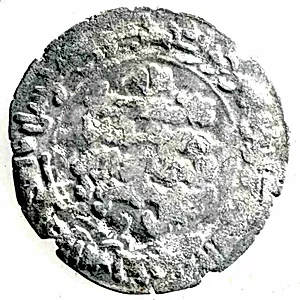
Medium
Silver
Classification
Coins
Department
Islamic Art
Museum
Metropolitan Museum of Art, New York, NY
Credit
Rogers Fund, 1939
Accession Number
39.40.127.104
Rights
Public Domain
Art Historical Context
This slender silver coin, struck in A.H. 375 (985 CE), offers a glimpse into the sophisticated monetary systems of the medieval Islamic world. As a dirham-like piece from the Islamic Art collection at The Metropolitan Museum of Art—acquired through the Rogers Fund in 1939—it exemplifies the era's mastery of metalworking. Crafted from high-quality silver, such coins circulated widely across trade routes, facilitating commerce from the Mediterranean to Central Asia. In the late 10th century, coinage played a vital role beyond economics, often featuring intricate Arabic inscriptions that proclaimed rulers' names, dates, mint locations, and religious phrases like the Shahada. This aniconic design adhered to Islamic artistic principles, prioritizing calligraphy over figural imagery and turning everyday money into portable works of devotion and propaganda. The precision of the die-stamping technique ensured durability and uniformity, reflecting advanced metallurgical skills honed over centuries. Today, this unassuming artifact invites us to ponder the interconnectedness of art, faith, and economy in a golden age of Islamic civilization, reminding visitors that even the smallest objects hold profound historical weight.