
Coin
Unknown Artist
560–628
Medium
Copper
Dimensions
H. 1/16 in. (0.2 cm) Diam. 1 1/8 in. (2.9 cm) Wt. 0.11 oz. (3.1 g)
Classification
Coins
Department
Islamic Art
Museum
Metropolitan Museum of Art, New York, NY
Credit
Rogers Fund, 1939
Accession Number
39.40.127.187
Rights
Public Domain
Art Historical Context
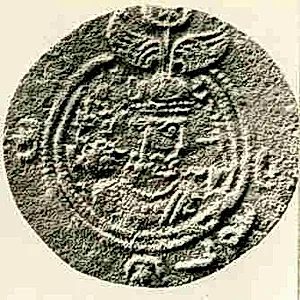
This diminutive copper coin, measuring just 1⅛ inches in diameter and weighing a mere 0.11, hails from the years 560–628 CE—a pivotal era bridging the late Sasanian Empire and the dawn of Islam. Struck during a time of imperial grandeur in Persia, it exemplifies the everyday currency that fueled trade across the ancient Near East, from bustling bazaars to distant caravan routes. Classified within the Metropolitan Museum of Art's Islamic department, this coin reflects the numismatic traditions that profoundly influenced early Islamic coinage. The Sasanians, masters of die-struck metalwork, produced such pieces with intricate designs—often featuring royal portraits, fire altars, or Pahlavi script—serving not just as money but as portable propaganda proclaiming the king's divine authority. Copper, valued for its durability and affordability, was ideal for smaller denominations in daily transactions. Though the artist remains unknown, this artifact offers a tangible glimpse into a transformative period: the twilight of Zoroastrian Persia before the Arab conquests reshaped the region. Its presence in the Rogers Fund collection underscores the Met's commitment to preserving these tiny treasures that whisper stories of economy, power, and cultural transition.