
Coin
Unknown Artist
A.H. 153/ 770 CE
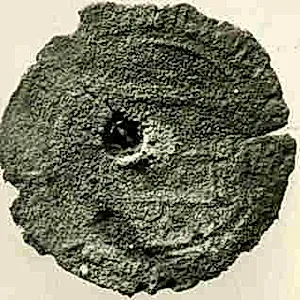
Medium
Copper
Classification
Coins
Department
Islamic Art
Museum
Metropolitan Museum of Art, New York, NY
Credit
Rogers Fund, 1939
Accession Number
39.40.127.208
Rights
Public Domain
Art Historical Context
This unassuming copper coin, minted A.H. 153 (770 CE), offers a window into the early Abbasid Caliphate a pivotal era in Islamic history when Baghdad was rising as a center of power and culture. Produced during the reign of Caliph al-Mansur, it reflects the standardization of Islamic coinage, which abandoned figural imagery from Byzantine and Sasanian predecessors in favor of elegant Arabic inscriptions—often bearing the caliph's name mint location, and date. As a humble copper piece, it served everyday transactions across a vast empire stretching from Spain to Central Asia. Artistically, the coin's significance lies in its masterful calligraphy, a hallmark of Islamic art where script became the primary decorative element. Struck with precision using dies, the metal's warm patina today evokes centuries of handling in bustling souks and royal treasuries. Copper coins like this were essential for trade and taxation, underscoring the Abbasids' economic sophistication and their promotion of Islam through everyday objects. Acquired through the Rogers Fund in 1939, this artifact from the Metropolitan Museum of Art's Islamic Art department reminds us that even small items carry grand narratives of faith, governance, and artistry. A testament to numismatics as history in miniature!