
Coin
Unknown Artist
786–808
Medium
Copper
Classification
Coins
Department
Islamic Art
Museum
Metropolitan Museum of Art, New York, NY
Credit
Rogers Fund, 1939
Accession Number
39.40.127.354
Rights
Public Domain
Art Historical Context
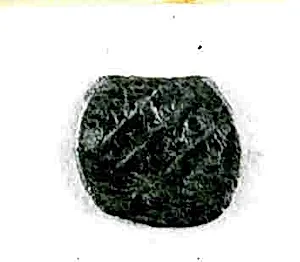
This copper coin, minted between 786 and 808 CE, hails from the Abbasid Caliphate, a golden age of Islamic civilization centered in Baghdad. During the reign of Caliph Harun al-Rid—famously immortalized in *One Thousand and One Nights*—the Abbasids fostered advancements in science, trade, and culture. As a humble yet vital artifact, this coin circulated in bustling markets from Spain to India, symbolizing the empire's vast economic reach and standardized monetary system. Crafted in copper, a common medium for smaller denominations like the *fals*, it exemplifies Islamic numismatic artistry. Abbasid coins typically feature elegant Arabic Kufic script rather than figurative images, adhering to aniconic traditions that emphasized divine inscriptions, the caliph's name, mint location, and Hijri date. This epigraphic focus turned money into a canvas for calligraphy, blending utility with aesthetic refinement and serving as portable propaganda for the faith and ruler. Housed in the Metropolitan Museum of Art's Islamic Art department through the Rogers Fund of 1939, this unassuming piece offers a tangible link to an era of intellectual flourishing, reminding us how everyday objects propelled one of history's great empires.