
Coin
Unknown Artist
A.H. 169–70/ 785–86 CE
Medium
Copper
Classification
Coins
Department
Islamic Art
Museum
Metropolitan Museum of Art, New York, NY
Credit
Rogers Fund, 1939
Accession Number
39.40.127.388
Rights
Public Domain
Art Historical Context
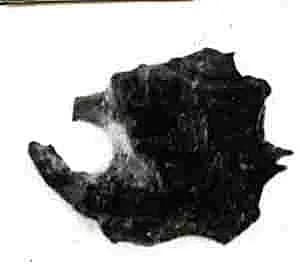
This modest copper coin, struck in A.H. 169–70 (785–86 CE), offers a tangible glimpse into the bustling economy of the early Abbasid Caliphate. Minted during a pivotal era when Baghdad was rising as a global center of trade, learning, and power under caliphs like al-Mahdi and the young Harun al-Rashid, it served as everyday currency known as a *fals*. Acquired through the Rogers Fund in 1939, it now resides in the Metropolitan Museum Art's Islamic Art department, exemplifying the precision of Abbasid minting techniques. Crafted from durable copper, the coin reflects Islamic monetary traditions that emphasized inscriptions over imagery, adhering to aniconic principles. These letters—likely bearing the caliph's name, titles, mint location, and date—proclaimed the unity of the Islamic world while facilitating commerce across vast territories from Spain to Central Asia. Unlike gold *dinars* for elite transactions, copper *fals* were the lifeblood of markets, paying for spices, textiles, and daily wares. As a snapshot of 8th-century Islamic material culture, this unassuming artifact underscores the caliphate's administrative sophistication and economic vitality, reminding us how even small coins wove the fabric of empire. Visitors, imagine it changing hands in a Baghdad souk, echoing the era's golden age!