
Coin
Unknown Artist
8th–early 9th century
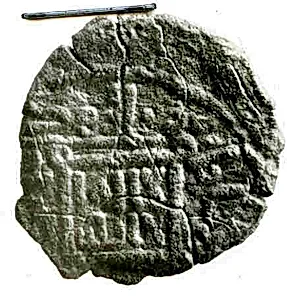
Medium
Copper
Classification
Coins
Department
Islamic Art
Museum
Metropolitan Museum of Art, New York, NY
Credit
Rogers Fund, 1939
Accession Number
39.40.127.487
Rights
Public Domain
Art Historical Context
This unassuming copper coin, minted in the 8th to early 9th century offers a tangible glimpse into the vibrant early Islamic world during the transition from Umayyad to Abbasid rule. As a product of the Islamic Art collection at the Metropolitan Museum of Art acquired through the Rogers Fund in 9, it exemplifies the coinage that fueled the expansive trade networks stretching from Spain to Central Asia. Copper, a practical and affordable medium, was widely used for smaller denominations like fals, making everyday transactions possible across diverse regions. Historically, such coins were more than currency—they were proclamations of caliphal authority. Inscribed with Arabic script denoting the ruler's name, mint location, and date, they symbolized the unification of an empire under Islam, blending Byzantine and Sasanian influences in design. The precision of die-stamping techniques ensured durability and authenticity, reflecting advanced metallurgical skills. For museum visitors, this coin whispers stories of bustling bazaars and far-flung caravans, highlighting how numismatics preserves the pulse of ancient economies and cultures. Though its specific mint remains unidentified, it stands as a humble artifact of enduring significance.