
Coin
Unknown Artist
A.H. 716–36/ 1316–35 CE
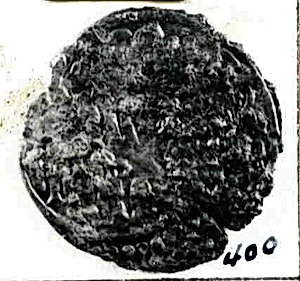
Medium
Copper
Classification
Coins
Department
Islamic Art
Museum
Metropolitan Museum of Art, New York, NY
Credit
Rogers Fund, 1939
Accession Number
39.40.127.619
Rights
Public Domain
Art Historical Context
This copper coin, minted between A.H. 716–736 (1316–1335 CE), hails from the Mamluk Sultanate, powerful Islamic dynasty that ruled Egypt and Syria during a golden age of trade, architecture, and cultural flourishing. As part of the Metropolitan Museum of Art's Islamic collection, acquired through the Rogers Fund in 1939, it exemplifies the everyday artistry of medieval monetary systems. Copper coins like this were essential for local transactions, contrasting with gold dinars used for grander exchanges, and they circulated widely across bustling markets from Cairo to Damascus. Artistically, Islamic coins prioritized exquisite calligraphy over figural imagery, adhering to aniconic traditions while serving as portable propaganda. Struck using engraved dies, the obverse and reverse likely feature Arabic inscriptions naming the sultan—possibly from the reign of al-Nasir Muhammad—and the mint location, blending functionality with fine epigraphy. These details not only authenticated the currency but also proclaimed the ruler's authority and Islamic piety. For museum visitors, this modest artifact opens a window into Mamluk economic vitality and the interplay of art and power, reminding us how even small coins carried the weight of empires.