
Column Shaft
Unknown Artist
late 13th–early 14th century
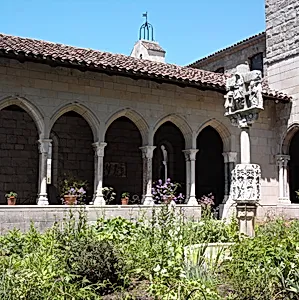
Medium
Marble
Dimensions
H.: 62 in. (157.5 cm) Circum.: 20 3/8 in
Classification
Sculpture-Architectural
Culture
French
Department
The Cloisters
Museum
Metropolitan Museum of Art, New York, NY
Credit
The Cloisters Collection, 1925
Accession Number
25.120.797
Rights
Public Domain
Art Historical Context
This elegant marble column shaft, crafted by an unknown French artist in the late th or early 14th century, stands as a testament to the of Gothic architecture. Measuring 62 inches tall with a circumference of just over 20 inches, slender, tapering form was designed to support the soaring vaults and ribbed ceilings of grand cathedrals and monasteries. Carved from high-quality marble, a favored medium for its luminous translucency and durability, the shaft exemplifies the stonemasons' mastery in shaping stone to evoke lightness and height—hallmarks of the Gothic style that aimed to draw the eye heavenward. In medieval France, such architectural sculptures were essential components of religious buildings, where intricate detailing and precise engineering allowed for unprecedented verticality, as seen in landmarks like Chartres or Reims Cathedrals. Though unattributed to a specific workshop, the shaft's smooth, polished surface and subtle fluting reflect the refined techniques of the period, honed by generations of artisans in royal and ecclesiastical projects. Today, housed in The Cloisters at the Metropolitan Museum of Art (acquired in 1925), this fragment transports visitors to the heart of Gothic Europe, inviting reflection on the era's blend of spiritual aspiration and technical innovation. A quiet survivor of time, it whispers of the devotion that built Europe's medieval skyline.