
Covered Basket with Design of Bush Clover and Deer
late 17th century
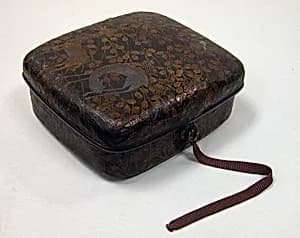
Medium
Rattan body, gold, silver hiramaki-e
Dimensions
H. 4 1/8 in. (10.5 cm); W. 8 7/8 in. (22.5 cm); L. 9 7/8 in. (25.1 cm)
Classification
Lacquer
Culture & Period
Japan · Edo period (1615–1868)
Department
Asian Art
Museum
Metropolitan Museum of Art, New York, NY
Credit
The Harry G. C. Packard Collection of Asian Art, Gift of Harry G. C. Packard, and Purchase, Fletcher, Rogers, Harris Brisbane Dick, and Louis V. Bell Funds, Joseph Pulitzer Bequest, and The Annenberg Fund Inc. Gift, 1975
Accession Number
1975.268.177a, b
Rights
Public Domain
Tags
Art Historical Context
This exquisite *Covered Basket with Design of Bush Clover and*, attributed to the renowned artist Hon'ami Kōetsu, dates to the late 17th century during Japan's Edo period (1615–1868). Crafted with a rattan body adorned in gold and silver *hiramaki-e*—a refined lacquer technique where powdered precious metals are sprinkled onto a flat lacquer surface—the basket measures a compact 4 1/8 inches high, 8 7/8 inches wide, and 9 7/8 inches long. delicate form evokes the natural elegance of Japanese craftsmanship, blending functionality with artistry. The motifs of bush clover (a symbol of autumn) and graceful deer reflect the Edo era's fascination with seasonal beauty and poetic nature themes, common in lacquerware that served both practical and decorative purposes. Kōetsu's influence, rooted in his mastery of *maki-e* lacquer and Rinpa-style aesthetics, shines through in the subtle shimmer of gold and silver against the basket's textured rattan weave, highlighting the period's technical innovation and appreciation for harmony between materials. A highlight of the Metropolitan Museum of Art's Asian Art collection, gifted through the Harry G. C. Packard Collection in 1975, this piece invites visitors to marvel at how everyday objects became canvases for Japan's enduring artistic legacy.
About the Artist
Hon'ami Kōetsu · 1558–1638
Famed as a calligrapher, artist, and sword connoisseur.