
Cup
Unknown Artist
first half of the 19th century
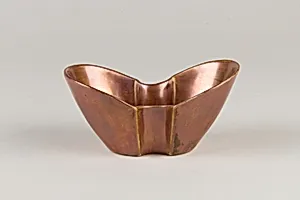
Medium
Porcelain covered with gilt
Dimensions
H. 2 3/8 in. (6 cm); W. 4 7/8 in. (12.4 cm); D. 2 7/8 in. (7.3 cm)
Classification
Ceramics
Culture & Period
China · Qing dynasty (1644–1911)
Department
Asian Art
Museum
Metropolitan Museum of Art, New York, NY
Credit
Purchase by subscription, 1879
Accession Number
79.2.1013
Rights
Public Domain
Art Historical Context
This delicate porcelain cup, crafted in China during the first half the 19th century the Qing dynasty (164–1911), exemplifies era's mastery of ceramics. Measuring just 2⅜ inches high but spanning nearly 5 inches wide, its petite, elegant form suggests it was designed for intimate use—perhaps for sipping tea or rice wine in a refined domestic setting. The medium of porcelain, covered entirely in gilt (a thin layer of gold), transforms the translucent white body into a shimmering jewel, highlighting the Qing artisans' skill in combining durability with opulence. Qing porcelain production reached extraordinary heights, with imperial kilns at Jingdezhen producing wares that blended functionality and artistry for both local elites and global trade. The gilt covering, applied through meticulous firing techniques, not only enhanced aesthetic appeal but also symbolized wealth and status, as gold was reserved for the finest objects. This cup reflects the dynasty's cultural emphasis on harmony and refinement, where everyday vessels became canvases for subtle luxury. Acquired by the Metropolitan Museum of Art in 1879 through public subscription, this piece arrived amid growing Western fascination with Chinese exports, bridging East and West. Today, it invites visitors to ponder the hands that shaped it and the rituals it graced, a testament to porcelain's enduring allure.