
Cup
Unknown Artist
19th century
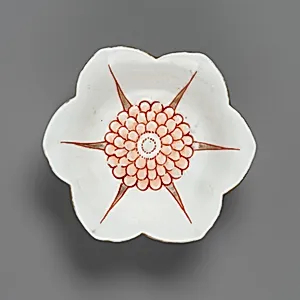
Medium
Porcelain (Kyoto ware)
Dimensions
Diam. 2 3/8 in. (6 cm)
Classification
Ceramics
Culture & Period
Japan · Edo (1615–1868) or Meiji period (1868–1912)
Department
Asian Art
Museum
Metropolitan Museum of Art, New York, NY
Credit
Edward C. Moore Collection, Bequest of Edward C. Moore, 1891
Accession Number
91.1.210
Rights
Public Domain
Tags
Art Historical Context
This delicate porcelain cup, a fine example of Kyoto ware from 19th-century Japan, just 2 3/8 inches in diameter, perfect for intimate tea ceremonies sake service. Produced during the late Edo period (16151868) or early Meiji era (1868–1912), it exemplifies the refined craftsmanship of Kyoto potters, who specialized in overglaze enamel techniques. Vibrant floral motifs, likely adorning its surface, reflect Japan's deep appreciation for nature's fleeting beauty, a hallmark of arts in this era. Kyoto ware emerged as a prestigious porcelain tradition, rivaling famed centers like Arita or Kutani. Artisans applied colorful enamels fired at lower temperatures over a white porcelain body, achieving luminous, detailed designs that captured seasonal flowers—symbols of harmony and impermanence in Japanese culture. Such cups were everyday luxuries for the elite, blending functionality with artistry amid Japan's transition from feudal isolation to modernization. Now part of the Metropolitan Museum of Art's Asian Art collection, this piece entered via the Edward C. Moore Collection in 1891. It invites us to savor the subtlety of Edo-Meiji ceramics, where tiny objects hold worlds of aesthetic philosophy.