
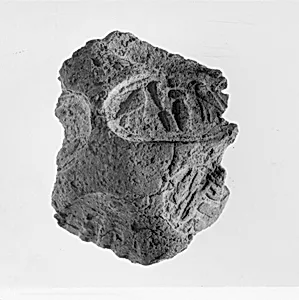
Document Sealing With Multiple Seal Impressions
Unknown Artist
ca. 1390–1352 B.C.
Medium
Mud
Dimensions
H. 3 cm (1 3/16 in.); w. 2.8 cm (1 1/8 in.); th. 0.9 cm (3/8 in.)
Classification
Sealing, NOT ENOUGH INFORMATION
Period
New Kingdom
Department
Egyptian Art
Museum
Metropolitan Museum of Art, New York, NY
Credit
Rogers Fund, 1911, 1912
Accession Number
12.180.753
Rights
Public Domain
Art Historical Context
Step into the bustling administrative world of ancient Egypt with this unassuming yet fascinating mud sealing, titled *Document Sealing With Multiple Seal Im*. Dating to around 1390–1352 B.C. during Dynasty 18 of the New, this tiny artifact—measuring just 3 cm high, 2.8 cm wide, and 0.9 cm thick—was pressed onto papyrus documents or containers to secure them against tampering. Crafted from simple mud (sun-dried clay), it bears multiple impressions from cylinder seals, a common tool for officials to stamp authority. In the prosperous era of pharaohs like Amenhotep III, Egypt's empire thrived on meticulous record-keeping for taxes, trade, and diplomacy. These sealings were everyday heroes of bureaucracy, ensuring the integrity of royal decrees and inventories. The overlapping impressions reveal a layered security system, where high-ranking scribes or nobles rolled their personalized seals—often featuring hieroglyphs, gods, or royal motifs—into soft clay before it hardened. Though modest in scale, this piece from the Metropolitan Museum of Art's Egyptian collection (acquired via the Rogers Fund in 1911–1912) offers a tangible glimpse into New Kingdom efficiency and artistry. It underscores how even humble materials preserved the power of the written word in one of history's greatest civilizations.