
Edward VI (r. 1547–53)
1552
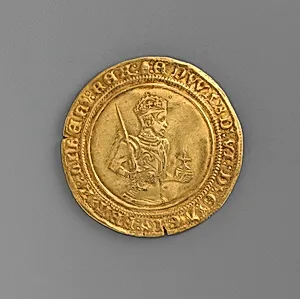
Medium
Gold
Dimensions
Diameter: 1 7/16 in. (37 mm.)
Classification
Coins
Culture
British
Department
European Sculpture and Decorative Arts
Museum
Metropolitan Museum of Art, New York, NY
Credit
Bequest of Joseph H. Durkee, 1898
Accession Number
99.35.7220
Rights
Public Domain
Tags
Art Historical Context
This exquisite gold coin, minted by The Royal Mint in1552, bears the profile portrait of Edward VI, the boy-king who ruled England from 1547 to 1553. As the son of Henry VIII and Jane, Edward ascended the throne at just nine years old, presiding over a pivotal era of religious reform under Protestant advisors like Edward Seymour, Duke of Somerset. Struck during his short reign, this sovereign—measuring 1 7/16 inches (37 mm) in diameter—served not only as legal tender but as a symbol of Tudor monarchy, showcasing the king's youthful features alongside the royal coat of arms. Crafted in high-relief with intricate engraving techniques typical of 16th-century British numismatics, the coin exemplifies the artistry of royal minting. The profile view, inspired by classical Roman coinage revived during the Renaissance, lent an air of antiquity and legitimacy to the monarch. Gold's enduring value underscored England's economic prowess amid Henrician currency reforms, while heraldic details affirmed dynastic continuity. Today, housed in the Metropolitan Museum of Art's European Sculpture and Decorative Arts department through the 1898 bequest of Joseph H. Durkee, this coin offers a tangible glimpse into Tudor power and portraiture, bridging history, craftsmanship, and symbolism for modern visitors.