
Engaged Double Base
Unknown Artist
late 15th century
Medium
Marble
Dimensions
Overall: 19 x 12 x 11 in. (48.3 x 30.5 x 27.9 cm)
Classification
Sculpture-Architectural
Culture
French
Department
The Cloisters
Museum
Metropolitan Museum of Art, New York, NY
Credit
Bequest of Susan Vanderpoel Clark, 1967
Accession Number
67.155.36
Rights
Public Domain
Tags
Art Historical Context
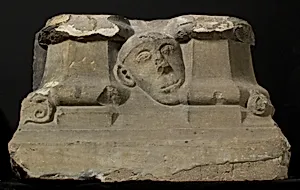
Nestled in The Cloisters collection at the Metropolitan Museum of Art *Engaged Double Base* a captivating marble sculpture from late 15th-century France. Carved from a single block of marble measuring 19 x 12 x 11 inches, this architectural element likely served as a foundational support for engaged columns—protruding pillars integrated into walls—in grand Gothic structures like cathedrals or châteaux. Bequeathed by Susan Vanderpoel Clark 1967, it the exquisite stonework of the period, blending utility with ornate decoration. In the waning years of the Gothic era, French sculptors mastered marble carving techniques to create durable, intricately detailed components for religious and secular buildings. The prominent faces etched into this double base—evident from its tags—suggest symbolic or grotesque motifs, common in late medieval architecture to ward off evil or add whimsy to sacred spaces. These carved visages, rendered with lifelike expressiveness, highlight the artisan's skill in capturing human emotion within stone. This modest yet masterful piece offers a window into France's architectural heritage, where sculpture elevated everyday structural elements into art. Visitors to The Cloisters can appreciate how such works contributed to the soaring ambition of Gothic design, bridging the medieval world and the dawn of the Renaissance.