
Fender
Unknown Artist
ca. 1850
Medium
Cast iron
Dimensions
7 x 43 1/2 x 16 in. (17.8 x 110.5 x 40.6 cm)
Classification
Fender
Culture
American or British
Department
The American Wing
Museum
Metropolitan Museum of Art, New York, NY
Credit
Purchase, Dr. and Mrs. Burton P. Fabricand Gift, 1989
Accession Number
1989.119
Rights
Public Domain
Art Historical Context
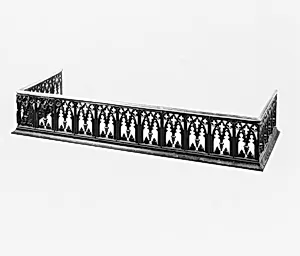
This elegant cast-iron fender, dating to around 1850, served a practical yet stylish purpose in 19th-century homes: guarded fireplaces, preventing hot coals and embers from scattering onto rugs or floors. Measuring a substantial 7 x 43½ x 16 inches, low, elongated form was designed to hug the hearth, blending functionality with subtle ornamentation typical of the period. Housed in The American Wing of the Metropolitan Museum Art, this piece—likely American or British—exemplifies everyday decorative arts from the mid-1800s, acquired through the generous gift of Dr. and Mrs. Burton P. Fabricand in 1989. Cast iron emerged as a star material during the Industrial Revolution, enabling intricate designs to be mass-produced via molding techniques that allowed for detailed patterns without the fragility of ceramics or cost of bronze. Affordable and durable, fenders like this one adorned middle-class parlors, reflecting the era's growing emphasis on cozy domesticity amid rapid urbanization. Though the artist remains unknown, the fender's survival highlights how utilitarian objects captured the aesthetic tastes of Victorian-era households. Today, it invites us to appreciate the artistry in the overlooked—reminding visitors that beauty often warmed the hearths of history.