
Fragment
Unknown Artist
17th century
Medium
Silk
Dimensions
Overall: 11 x 3 1/2 in. (27.9 x 8.9 cm)
Classification
Textiles-Velvets
Culture
Italian
Department
European Sculpture and Decorative Arts
Museum
Metropolitan Museum of Art, New York, NY
Credit
Gift of Nanette B. Kelekian, in honor of Olga Raggio, 2002
Accession Number
2002.494.118
Rights
Public Domain
Art Historical Context
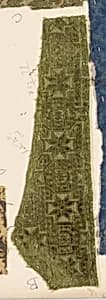
This exquisite silk velvet fragment, hailing from 17th-century Italy, offers a tantalizing glimpse into the opulent world of Baroque decorative arts. Measuring just 11 x 3½ inches (27.9 x 8.9 cm), this delicate survivor showcases the mastery of Italian textile weavers, renowned for their luxurious velvets produced in centers like Genoa and Venice. The medium—sumptuous silk pile woven with intricate techniques—created a rich, shimmering texture prized for its depth and light-reflecting qualities, making it ideal for ecclesiastical vestments, aristocratic garments, and lavish furnishings. In the 17th century, Italian velvets symbolized wealth and cultural prestige during the height of the Counter-Reformation and grand ducal patronage. These textiles were not mere fabric but status symbols, often featuring elaborate patterns that blended artistry with technical innovation, such as cutwork or voided velvets. Though the artist remains unknown and the full design is lost to time, this fragment preserves the tactile elegance that captivated European courts. Generously donated to the Metropolitan Museum of Art in 2002 by Nanette B. Kelekian in honor of Olga Raggio, it now resides in the European Sculpture and Decorative Arts department. For visitors, it whispers of Italy's textile legacy, inviting reflection on how such fragile treasures endure as windows to a gilded past.