
Fragment
Unknown Artist
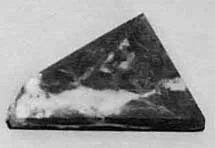
Medium
Jadeite
Dimensions
H. 2 9/16 in. (6.5 cm); W. 1 1/2 in. (3.8 cm); D. 11/16 in. (1.7 cm)
Classification
Jade
Culture
Myanmar (Burma)
Department
Asian Art
Museum
Metropolitan Museum of Art, New York, NY
Credit
Gift of Heber R. Bishop, 1902
Accession Number
02.18.21
Rights
Public Domain
Art Historical Context
This delicate jadeite fragment, hailing from Myanmar (Burma exemplifies the reverence for jade in Southeast Asian cultures. Carved from jadeite—a vivid green stone for its translucency durability, sourced from Myanmar's legendary mines—this small piece measures just 2 9/16 inches high (6.5 cm). Though its exact form and purpose remain mysterious as a fragment, it likely once adorned jewelry, a ritual object, or a decorative accessory, reflecting the exquisite craftsmanship of Burmese jade carvers who transformed raw stone into symbols of purity, protection, and status. In Burmese tradition, jadeite held profound spiritual significance, often associated with immortality and worn as amulets against misfortune. Artisans employed fine tools to polish and incise the stone, achieving a luminous polish that enhances its natural hues. Dating to an unknown period, this fragment captures the timeless allure of Myanmar's jade-working heritage, which flourished from ancient times through the colonial era. Generously donated to the Metropolitan Museum of Art in 1902 by collector Heber R. Bishop, it joins a distinguished collection of Asian jades, inviting visitors to ponder the hands that shaped it and the stories it silently holds.