
Fragment of an Inscribed Stele
Unknown Artist
8th–10th century
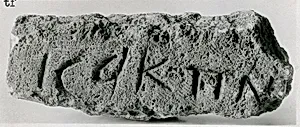
Medium
Limestone; incised
Dimensions
H. 9 1/16 in. (23 cm) W. 3 3/8 in. (8.5 cm) D. 1 7/8 in. (4.8 cm)
Classification
Sculpture
Department
Islamic Art
Museum
Metropolitan Museum of Art, New York, NY
Credit
Gift of The Egyptian Research Account and British School of Archaeology in Egypt, 1908
Accession Number
08.205.17
Rights
Public Domain
Art Historical Context
This modest yet evocative *Fragment of an Inscribedle* hails from Egypt during the 8th–10th century, a formative era in Islamic history when the region transitioned under Abbasid influence and later Fatimid rule. Crafted from limestone—a durable, locally abundant material—the stele is a sculpted slab, likely part of a larger funerary or commemorative monument. Its small size (just 9 inches tall) hints at portability or ritual use, reflecting the everyday artistry of early Islamic communities where stone inscriptions preserved personal and religious legacies. The artwork's defining feature is its incised inscription, a technique where text was meticulously carved into the surface with chisels, creating recessed lines filled perhaps with pigment for visibility. In Islamic art, such epigraphy often featured Arabic script with Quranic verses, names, or dates, serving as a bridge between the ephemeral and eternal. This fragment exemplifies the restrained elegance of early Islamic sculpture, prioritizing script over figural decoration in line with aniconic traditions. Acquired in 1908 through the generous gift of The Egyptian Research Account and British School of Archaeology in Egypt, it now resides in The Metropolitan Museum of Art's Islamic Art Department. Though incomplete, it offers a tangible glimpse into medieval Egyptian life, inviting visitors to ponder the voices etched in stone centuries ago.