
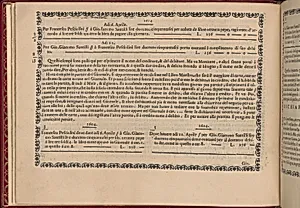
Ghirlanda: Di sei vaghi fiori scielti da piu famosi Giardini d'Italia, page 7 (verso)
October 1, 1604
Medium
Etching and drawing
Dimensions
Overall: 5 7/8 x 7 7/8 in. (15 x 20 cm)
Classification
Books|Prints|Ornament & Architecture
Department
Drawings and Prints
Museum
Metropolitan Museum of Art, New York, NY
Credit
Rogers Fund, 1922
Accession Number
22.66.5(13)
Rights
Public Domain
Art Historical Context
Step into the intricate world of early 17th-century Italian ornamentation with *Ghirlanda: Di sei vaghi scielti da piuosi Giardini d'Italia, page 7 (verso)*, created by Pietro Paulo Tozzi published by Libraria del Giesu October 1, 1604. This delicate etching and drawing, measuring just 5 7/8 x 7 7/8 inches, captures a floral garland inspired by the most renowned gardens of Italy. Housed in The Metropolitan Museum of Art's Drawings and Prints department (acquired via the Rogers Fund in 1922), it exemplifies the era's fascination with nature's beauty as a source for decorative motifs. Printed during the transition from Mannerism to Baroque, this page reflects the Renaissance humanist passion for botany and classical motifs, compiling "six beautiful flowers" into elegant wreaths. Classified under Books, Prints, Ornament & Architecture, it served as a pattern book for artists, architects, and craftsmen, influencing everything from frescoes to furniture inlays. The combination of etching—known for its fine lines and tonal depth—with hand-drawn elements highlights Tozzi's technical mastery, allowing precise reproduction of lush petals and twisting vines. Imagine visitors to Rome's grand palazzos poring over such pages for inspiration; this verso side continues the garland theme, symbolizing abundance and harmony. A testament to printmaking's role in disseminating design across Europe, it invites us to appreciate how fleeting garden blooms were immortalized in enduring art.
About the Artist
Pietro Paulo Tozzi|Libraria del Giesu (Italian|Italian) · 1555 |1593 –1622 |1628
Italian, Perugia ca. 1555–probably 1622 Rome|Italian, active 1593–1628