
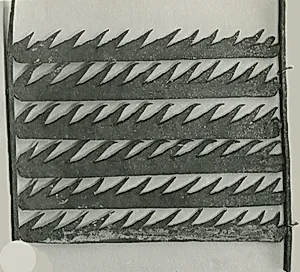
Grille
Unknown Artist
15th–16th century
Medium
Iron
Dimensions
Overall: 25 x 24 3/4 in. (63.5 x 62.9 cm)
Classification
Metalwork-Iron
Culture
European
Department
The Cloisters
Museum
Metropolitan Museum of Art, New York, NY
Credit
The Cloisters Collection, 1955
Accession Number
55.61.49
Rights
Public Domain
Art Historical Context
This elegant iron grille, crafted by an unknown European artisan in the 15th or 16th century, the masterful metalwork of the late medieval and early Renaissance periods. 25 x 24 3/4 inches, it likely served as a decorative screen or barrier in a grand ecclesiastical or domestic setting, such as enclosing a chapel altar or private chapel within a monastery or castle. Forged from wrought iron—a durable yet malleable medium—the grille's intricate design would have balanced functionality with artistry, allowing light and views to pass through while providing security. In the context of European metalworking, such pieces highlight the guild-trained smiths' expertise in heating, hammering, and twisting iron into ornate patterns, often inspired by Gothic tracery or emerging Renaissance motifs. These grilles were not mere utilities; they symbolized wealth, piety, and craftsmanship, adorning spaces like those in Spain, France, or Italy where ironwork flourished amid the era's architectural boom. Now part of The Cloisters Collection at the Metropolitan Museum of Art since 1955, this grille invites us to appreciate the unsung heroes of medieval industry—artisans whose work endures as a testament to human ingenuity in everyday splendor.