
Haft Paikar (Seven Portraits) of the Khamsa (Quintet) of Nizami of Ganja
ca. 1430
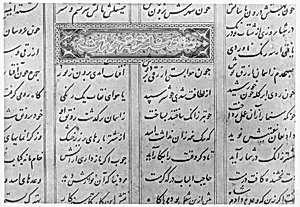
Medium
Ink, opaque watercolor, and gold on paper; lacquer binding
Dimensions
H. 11 in. (27.9 cm) W. 7 in. (17.8 cm)
Classification
Codices
Department
Islamic Art
Museum
Metropolitan Museum of Art, New York, NY
Credit
Gift of Alexander Smith Cochran, 1913
Accession Number
13.228.13.1
Rights
Public Domain
Tags
Art Historical Context
Welcome to the Islamic Art galleries, where we encounter the exquisite *Haft Paikar (Seven Portraits)* from the *Khamsa (Quintet)* by the renowned 12th-century Persian poetizami of Ganja. Created around 1430 and attributed to the calligrapher Maul Azhar, this cod measures a portable 11 by 7 inches, bound in lacquer for protection and elegance. It forms part of Nizami's epic *Khamsa*, a of five masnavis (rhymed couplet poems) blending romance, morality, and adventure—timeless treasures of Persian literature from the Timurid era. The *Haft Paikar* narrates the tale of Bahram Gur, a Sasanian king who visits seven pavilions, each adorned by a princess recounting enchanting stories. Illustrated with vibrant scenes of hunting, horses, animals, and men, the manuscript showcases masterful Persian miniature techniques: ink for precise calligraphy and outlines, opaque watercolors for rich jewel tones, and gold for luminous highlights that catch the light like buried treasure. These codices were prized possessions of the elite, embodying the fusion of poetry, painting, and devotion in Islamic culture. A generous gift to the Metropolitan Museum of Art in 1913 by Alexander Smith Cochran, this work highlights the artistry of 15th-century Iran, where books were revered as portals to wisdom and beauty. Pause to admire how its pages transport us to royal hunts and mythic realms! (198 words)