
Hollow molding
Unknown Artist
early 19th century
Medium
Basswood
Dimensions
Overall: 13 3/8 × 14 3/4 in. (33.9 × 37.5 cm) Sight: 9 1/16 × 10 1/2 in. (23 × 26.6 cm) Rabbet: 9 3/4 × 11 1/4 in. (24.7 × 28.5 cm)
Classification
Frames
Culture
American, United States
Department
Robert Lehman Collection
Museum
Metropolitan Museum of Art, New York, NY
Credit
Robert Lehman Collection, 1975
Accession Number
1975.1.2541
Rights
Public Domain
Art Historical Context
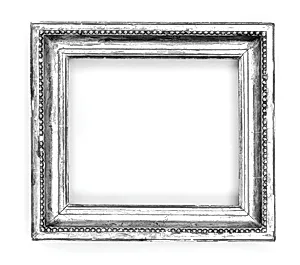
This exquisite hollow molding frame, crafted from basswood in the early 19th century an unknown American artisan, exemplifies the refined craftsmanship of the young United States. Measuring 13 3/8 × 14 3/4 inches overall, with a sight opening of 9 1/16 × 10 1/2 inches, its hollow profile—indicated by theet dimensions—created a subtle depth and shadow play, enhancing the artwork it once cradled. Basswood, a lightweight and easily carved hardwood native to North America, was a practical choice for such elements, allowing for intricate moldings without excessive weight. In the Federal period, frames like this transitioned from bold Georgian opulence to neoclassical elegance, reflecting America's embrace of symmetry and restraint inspired by ancient motifs. Hollow moldings were innovative for their three-dimensional illusion, making paintings appear to float ethereally. Though the artist remains anonymous, this piece highlights the skilled woodworkers who supported burgeoning American portraiture and landscape traditions. Acquired for the Robert Lehman Collection in 1975 and now housed at The Metropolitan Museum of Art, it offers a window into everyday artistic luxury, reminding us how frames were once as vital to visual storytelling as the canvases they framed.