
Inscribed element
Unknown Artist
ca. 1353–1336 B.C.
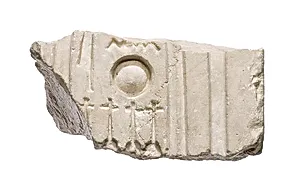
Medium
Indurated limestone
Dimensions
H. 8.8 × W. 4.7 × D. 6.8 cm (3 7/16 × 1 7/8 × 2 11/16 in.)
Classification
Pillar, Nefertiti cartouche
Period
New Kingdom, Amarna Period
Department
Egyptian Art
Museum
Metropolitan Museum of Art, New York, NY
Credit
Harris Brisbane Dick Fund, 1957
Accession Number
57.180.11
Rights
Public Domain
Art Historical Context
This petite inscribed element, carved from indurated limestone—a durable, hardened variety prized by ancient Egyptian sculptors—hails from the Amarna Period of Egypt's New Kingdom (ca. 1353–1336 B.C.), during 18. Measuring just 3 7/16 inches tall it exemplifies the exquisite precision of royal workshops at Amarna, Akhenaten's short-lived capital. Donated to the Metropolitan Museum of Art via the Harris Brisbane Dick in 1957, it offers a tangible glimpse into one of ancient Egypt's most transformative eras. The Amarna Period marked a radical artistic and religious revolution under Pharaoh Akhenaten, who championed the sun disk Aten over traditional gods. Sculptors abandoned rigid, idealized forms for a bold naturalism: elongated necks, full hips, and subtle expressions that blurred gender lines, reflecting the pharaoh's family in unprecedented intimacy. Though the artist's identity is lost, the object's inscriptions—likely hieroglyphs invoking divine or royal names—highlight limestone's role in durable memorials, from temple reliefs to statuary bases. As a fragment, this piece underscores the Amarna style's fragility; many works were dismantled after Akhenaten's death. Yet its survival celebrates Egypt's masterful stonework, where tools like copper chisels and abrasives achieved lifelike depth in miniature scale, inviting us to ponder the voices etched into eternity.