
Jar
Unknown Artist
ca. 3850–2960 B.C.
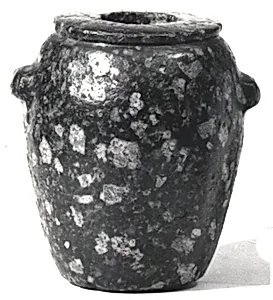
Medium
Diorite
Dimensions
H. 6.1 cm (2 3/8 in); rim diam. 3.8 cm (1 1/2 in)
Classification
Jar
Period
Predynastic Period
Department
Egyptian Art
Museum
Metropolitan Museum of Art, New York, NY
Credit
Purchase, Fletcher Fund and The Guide Foundation Inc. Gift, 1966
Accession Number
66.99.199
Rights
Public Domain
Art Historical Context
This delicate diorite jar, around 3850–2960 B.C. during Egypt's Predynastic Period offers a glimpse into one of humanity's earliest sophisticated civilizations. Standing just 6.1 cm tall with a rim diameter of 3.8 cm, it was likely used to hold precious oils, cosmetics, or perfumes—luxuries reserved for the elite. Diorite, a dense and exceptionally hard igneous stone, was prized for its durability and resistance to cracking, making it ideal for vessels that could last millennia. Artisans in this era, before the unification of Upper and Lower Egypt, honed remarkable stoneworking techniques using abrasive sands and copper tools. Carving such a precise, thin-walled form from diorite demonstrates advanced skill, foreshadowing the monumental stonework of later pharaonic dynasties. These jars often accompanied the dead in burials, symbolizing status and continuity between life and the afterlife. Housed in the Metropolitan Museum of Art's Egyptian Art department, this jar—acquired through the Fletcher Fund and The Guide Foundation Inc. Gift in 1966—highlights the Predynastic Period's role as a cradle of innovation, bridging Neolithic traditions to the grandeur of ancient Egypt. Visitors can't help but marvel at its timeless elegance.