
Key
Unknown Artist
second quarter 18th century
Medium
Gilt bronze
Dimensions
Length: 5 in. (12.7 cm)
Classification
Metalwork-Gilt Bronze
Culture
French
Department
European Sculpture and Decorative Arts
Museum
Metropolitan Museum of Art, New York, NY
Credit
Gift of J. Pierpont Morgan, 1906
Accession Number
07.225.510.53
Rights
Public Domain
Tags
Art Historical Context
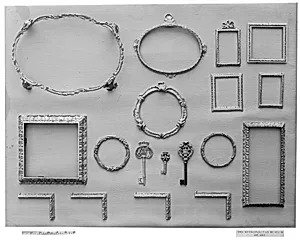
This exquisite gilt bronze key, crafted by an unknown French artist in the second quarter of 18th century ( 1725–1750), exemplifies the opulent metalwork of the Rococo era. Measuring just 5 inches in length, its gilded surface—bronze coated with a thin layer of gold—would have gleamed with luxurious warmth, transforming a utilitarian object into a decorative treasure. Gilt bronze was a favored medium in Louis XV's France, prized for its durability, shine, and ability to mimic precious metals at a fraction of the cost, often adorning furniture, cabinets, and interiors in aristocratic homes. During the Rococo period, French decorative arts emphasized asymmetry, natural motifs, and playful elegance, reflecting the refined tastes of the royal court at Versailles. Keys like this one likely secured high-status furnishings, such as ornate armoires or escritoires, blending functionality with artistry. Its intricate form highlights the era's masterful casting and chasing techniques, where molten bronze was poured into molds and meticulously finished by hand. A generous gift to the Metropolitan Museum of Art from financier J. Pierpont Morgan in 1906, this key offers a tangible glimpse into 18th-century French luxury. Though its precise use remains a mystery, it stands as a testament to the craftsmanship that defined Europe's golden age of decorative metalwork.