
Keyhole escutcheon
Unknown Artist
18th century
Medium
Gilt bronze
Dimensions
Height: 3 in. (7.6 cm)
Classification
Metalwork-Gilt Bronze
Culture
French
Department
European Sculpture and Decorative Arts
Museum
Metropolitan Museum of Art, New York, NY
Credit
Gift of J. Pierpont Morgan, 1906
Accession Number
07.225.510.392
Rights
Public Domain
Art Historical Context
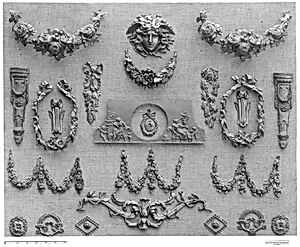
This exquisite *Keyhole escutcheon*, a small yet opulent gilt bronze ornament from 18th-century France, served as a decorative plate surrounding a keyhole on doors or furniture. Standing just 3 inches (7.6 cm) tall, it exemplifies the meticulous metalwork of the European decorative arts tradition, where even functional elements were transformed into symbols of luxury and refinement. Crafted in gilt bronze—a technique involving a base of bronze coated with a thin layer of gold through mercury gilding or electroplating—such pieces highlighted the era's mastery of materials. French artisans favored this medium for its durability and shimmering allure, often adorning chateaus and grand salons during the lavish Rococo period. Though the artist remains unknown, the escutcheon's intricate detailing reflects the cultural emphasis on elegance and symmetry in everyday opulence. A generous gift from financier J. Pierpont Morgan in 1906, this artifact now graces the Metropolitan Museum of Art's Department of European Sculpture and Decorative Arts. It invites visitors to appreciate how 18th-century French design elevated the mundane, blending artistry with utility in ways that still captivate today.