
Lacquer Samples
Unknown Artist
19th century
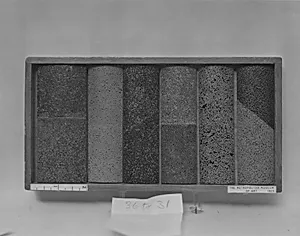
Medium
Lacquer
Dimensions
H. 4 11/16 in. (11.9 cm); W. 1 1/2 in. (3.81 cm)
Classification
Miscellaneous
Culture
Japanese
Department
Arms and Armor
Museum
Metropolitan Museum of Art, New York, NY
Credit
Rogers Fund, 1923
Accession Number
23.214.31–.36
Rights
Public Domain
Art Historical Context
These delicate *Lacquer Samples* from19th-century Japan offer a glimpse into the exquisite craftsmanship of urushi lacquerware, revered tradition spanning centuries. Measuring just 4 11/16 inches and 1 1/2 inches wide, these rectangular pieces showcase the medium's glossy finish and intricate possibilities. Acquired through the Rogers Fund in 1923 and in the Metropolitan Museum of's Arms and Armor Department they are classified as miscellaneous artifacts, likely test pieces or swatches demonstrating lacquering techniques. Japanese lacquer, derived from the sap of the urushi tree, was laboriously applied in multiple thin layers, polished to a mirror-like sheen, and often inlaid with gold, mother-of-pearl, or pigments for stunning effects. In the 19th century—bridging the Edo and early Meiji periods—this art form reached new heights, adorning everyday objects, screens, and especially arms and armor. Lacquer provided both protective waterproofing and decorative flair to samurai helmets, sword scabbards, and chest plates, blending functionality with artistry. Though their exact use remains a mystery due to the unknown artist, these samples highlight Japan's mastery of a technique that influenced global decorative arts. Visitors can appreciate how such unassuming objects reveal the patience and precision behind imperial treasures, inviting us to marvel at the hidden artistry of everyday materials.