
Lamp
Unknown Artist
1st–3rd century
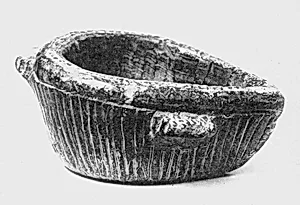
Medium
Stone
Dimensions
2 x 4 1/2 in. (5.1 x 11.4 cm)
Classification
Sculpture
Culture
India
Department
Asian Art
Museum
Metropolitan Museum of Art, New York, NY
Credit
Rogers Fund, 1933
Accession Number
33.50.22
Rights
Public Domain
Tags
Art Historical Context
This delicate stone lamp, crafted by an unknown artist in India during the 1st3rd century CE, a glimpse into everyday life and artistry of the ancient subcontinent. Measuring just 2 x 4½ inches (5.1 x 11.4 cm), it exemplifies Kushan period's blend of functionality and sculptural finesse, when stone carving flourished amid trade routes connecting India to Central Asia and beyond. Acquired through the Rogers Fund in 1933, it in the Metropolitan Museum of's Asian Art department, classified as a sculpture rather than mere utility object. Lamps like this were vital for oil illumination in homes, temples, and rituals, symbolizing the triumph of light over darkness—a theme echoed in early Hindu, Buddhist, and Jain traditions. Carved from stone for endurance, its compact form suggests portability, perhaps for personal devotion or travel. The "Shunga" tag evokes bold artistic expressions, hinting at the era's uninhibited celebration of human form and sensuality in Indian iconography. As a cultural artifact, this lamp highlights ancient India's mastery of miniature sculpture, where everyday items became canvases for spiritual and aesthetic depth, inviting us to ponder the lives of its makers and users.