
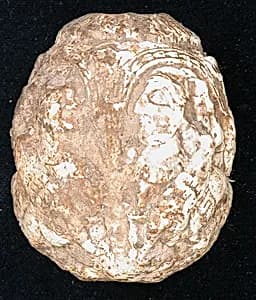
Mace Head
Unknown Artist
10th–11th century
Medium
Stone
Classification
Stone
Department
Islamic Art
Museum
Metropolitan Museum of Art, New York, NY
Credit
Purchase, Mrs. Samuel B. Grimson Gift, 1970
Accession Number
1970.26
Rights
Public Domain
Art Historical Context
### Mace Head, 10th–11th Century This striking stone mace head, crafted by an unknown artist during the 10th–11th, hails from the vibrant world of Islamic art. Dating to a period of dynamic Islamic expansion under caliphates like the Abbas and Buyids, such weapons were essential tools in warfare across the Middle East, Central Asia, and North Africa. Carved from durable stone, it exemplifies the practical artistry of the era, where functionality met craftsmanship in everyday arms. Mace heads like this one delivered powerful, crushing blows in close combat, prized for their reliability over bladed weapons against armored foes. In Islamic culture, they often symbolized authority and prowess, sometimes elevated to ceremonial status among warriors or rulers. The choice of stone as a medium highlights resourceful local quarrying techniques, with skilled stone carvers shaping it into an effective, balanced form—likely bulbous or faceted for impact. Today, this artifact invites us to ponder the fierce battles and skilled hands behind medieval Islamic societies. Acquired through the Purchase, Mrs. Samuel B. Grimson Gift in 1970, it's a treasured piece in the Metropolitan Museum of Art's Islamic Art collection, bridging us to a time of innovation and valor. (198 words)