
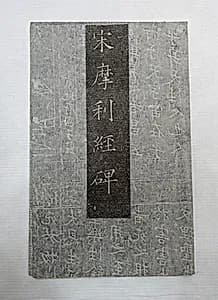
Marici Sutra and Yellow Emperor's Sutra for Secret Charm Against Evil
20th century
Medium
Ink on paper
Dimensions
Image: 50 1/2 × 24 1/2 in. (128.3 × 62.2 cm)
Classification
Rubbing
Culture
China
Department
Asian Art
Museum
Metropolitan Museum of Art, New York, NY
Credit
Seymour and Rogers Funds, 1977
Accession Number
1977.375.43
Rights
Public Domain
Art Historical Context
Welcome to the Asian Art galleries at the Metropolitan Museum of Art, where we encounter *Marici Sutra and Emperor's Sutra for Charm Against Evil*, a striking 20th-century rubbing created by Li Fenggui and Cui Shousu. This monumental ink-on-paper work measures an impressive 50½ × 24½ inches, capturing ancient inscriptions through the traditional Chinese rubbing technique. Artists press damp paper against carved stone or bronze surfaces, then ink it to reveal intricate calligraphy and motifs—preserving texts that might otherwise fade from history. The title reveals its profound spiritual content: the Marici Sutra invokes the Buddhist warrior goddess Marici, revered for granting invisibility and protection in battle, while the Yellow Emperor's Sutra draws from Daoist traditions, channeling the legendary Huangdi's charms against malevolent forces. Such syncretic pairings of Buddhism and Daoism highlight China's rich history of blending esoteric practices for safeguarding health, fortune, and safety. As a rubbing, this piece exemplifies a revered East Asian art form that elevates calligraphy to sculptural reverence. Acquired through the Seymour and Rogers Funds in 1977, it invites us to ponder timeless human quests for divine intervention amid life's uncertainties.
About the Artist
Li Fenggui|Cui Shousu ( | ) · | – |
|