
Mask
Unknown Artist
17th–18th century
Medium
Gilt bronze
Dimensions
7 1/2 × 10 in. (19.1 × 25.4 cm)
Classification
Metalwork-Gilt Bronze
Culture
French
Department
European Sculpture and Decorative Arts
Museum
Metropolitan Museum of Art, New York, NY
Credit
Gift of J. Pierpont Morgan, 1906
Accession Number
07.225.510.8
Rights
Public Domain
Art Historical Context
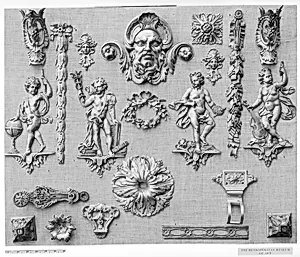
This enigmatic gilt bronze *Mask* from 17th–18th France exemplifies the opulent metalwork of the European decorative arts. Crafted by an unknown artist, its modest dimensions—7½ × 10 inches—suggest it served as an ornamental mount, perhaps adorning a clock, piece of furniture, or chandelier. The shimmering gold surface, achieved through fire-gilding (a mercury-based technique that bonded gold to bronze), reflects the era's mastery of luxurious finishes, evoking the grandeur of Versailles and the courts of Louis XIV through Louis. In French culture, such masks drew from classical antiquity and theater, often depicting grotesque or Bacchic figures to add whimsy and drama to interiors. Gilt bronze was prized for its durability and brilliance, with artisans employing intricate chasing and modeling to create lifelike expressions. This piece highlights the anonymous brilliance of workshops in Paris, where metalworkers elevated everyday objects into sculptural jewels. Generously gifted to the Metropolitan Museum of Art in 1906 by J. Pierpont Morgan, a titan of American finance and avid collector, the *Mask* invites visitors to ponder the hidden artistry behind France's golden age of decoration. A testament to refined taste, it gleams as a portal to opulent pastimes.