
Metamorphoseon sive transformationum
1606
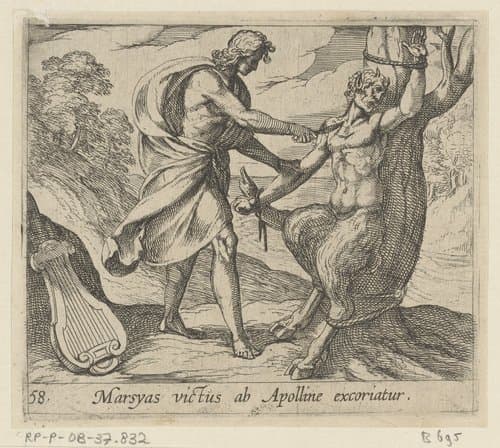
Medium
etching
Dimensions
117; 104
Rights
Public Domain
About this artwork
height 104 mm x width 117 mm
Art Historical Context
Antonio Tempesta's *Metamorphoseon s transformationum* (1606) is a captivating etching from a renowned series illustrating Ovid's ancient Roman poem *Metamorphoses*. just 104 mm high by 117 mm wide, small-scale print exemplifies the Italian artist's mastery of intricate detail in miniature format. Tempesta (1555–1630), a Florentine painter and printmaker bridging Mannerism and early Baroque, produced over 150 such etchings, making classical myths accessible to a wide audience during the Renaissance revival of antiquity. Etching, Tempesta's preferred medium here, involved drawing into a wax ground on a copper plate with acid biting the lines, allowing for fluid, expressive strokes ideal for dynamic mythological scenes of transformation—like gods turning mortals into trees or animals. This technique democratized high art; prints were affordable, portable, and collectible, fueling Europe's fascination with Ovid's tales of love, power, and metamorphosis amid the era's humanistic fervor. As part of a blockbuster series, this work highlights Tempesta's role in visual storytelling, influencing later artists like Rubens. Visitors, imagine holding this tiny window into ancient drama—proof that great art thrives in compact brilliance!
About the Artist
Antonio Tempesta · 1555–1630
Antonio Tempesta (1555–1630), known as 'Il Tempestino,' was a Florentine painter and printmaker whose extraordinary output of approximately 1,700 etchings made him one of the most influential printmakers of the early Baroque period. Born in Florence and trained under Santi di Tito and the Flemish master Joannes Stradanus, he enrolled in the Accademia del Disegno in 1576 before relocating to Rome i...